
The best camera phones of 2023: Which one is right for you?
Who needs a dedicated camera anymore? Aside from professionals and enthusiasts, just about anyone can take excellent photos with their phone, with no need to splurge out on a dedicated camera. The newest Galaxy, the latest iPhone, and all the other premium-tier Android phones are all among the best camera phones you can buy in 2023.
Some of the camera phones perform better in low light, others have dedicated Night Modes that are way ahead of the competition, and then there are those that are mediocre for stills, but are great for video. It’s not easy picking the best camera phone, especially if you don’t get the chance to try out many, many phones for yourself. With so much choice on the camera phone market, the potential for FOMO is very big.
Best camera phones to consider in 2023:
It’s especially important how the camera handles extreme lighting scenarios that test its high-dynamic range imaging capabilities — very bright spots shouldn’t be just blindingly white spots and dark shadows must contain details. Speaking of darkness, low-light photography is where most sub-par cameras struggle and we can’t have any of that when it comes to the best phone cameras in 2023. The goal with low-light photos is not which phone can take the brightest shot with little or no light sources around.
That being said, here are the best-performing camera phones on the smartphone market right now. Now, let’s go find the best camera phone!
Samsung Galaxy S23 Ultra
The best camera phone of 2023, 200MP prowess at your fingertips
PhoneArena Rating
: 9.2/10
(Image credit – PhoneArena) Galaxy S23 Ultra
When it comes to image quality, the Galaxy S23 Ultra performs very well, with excellent definition and tons of detail. The excessive processing of the Galaxy S22 Ultra has been toned down, so pictures on the Galaxy S23 Ultra look a lot more natural, which is an excellent improvement and propels this one to the coveted spot of the best phone camera in early 2023.
iPhone 14 Pro Max
Best phone for video recording, best camera on an iPhone
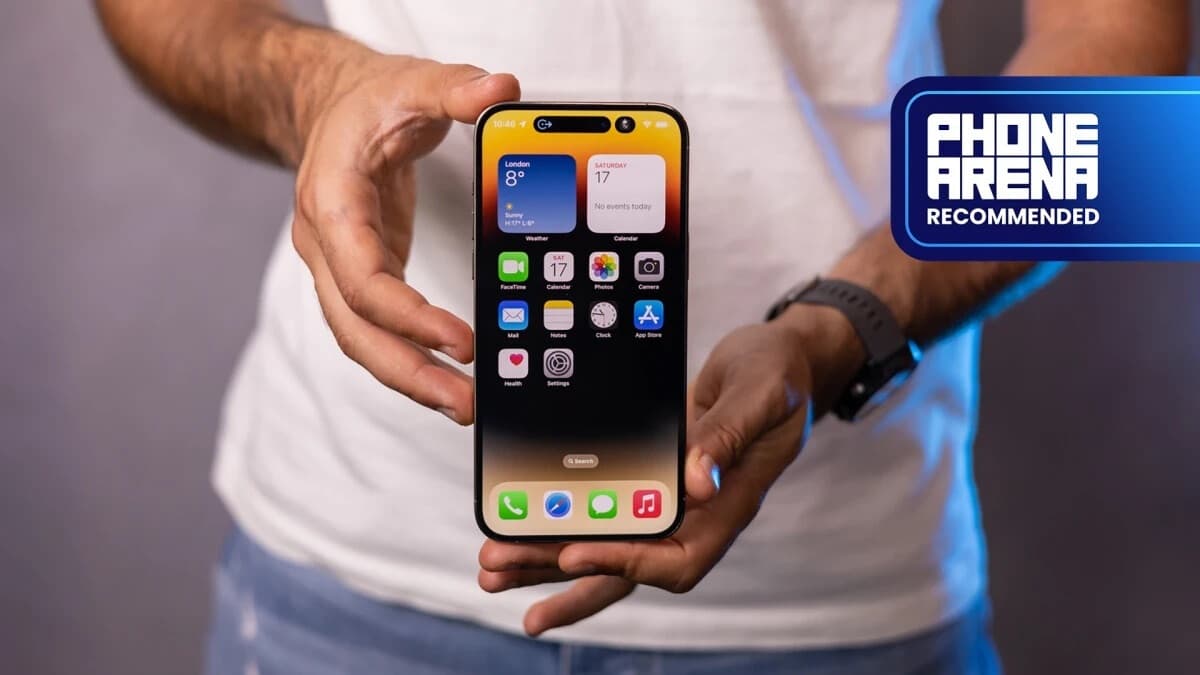
The biggest strength of Apple’s latest showpiece is its new main camera with a 48MP rear camera, which will most likely grace many future iPhones. Thanks to it, the iPhone 14 Pro Max can now take extremely detailed 48MP ProRAW images, but normally uses pixel-binning to deliver the good ol’ 12MP image files of old. ProRAW is Apple’s take on the RAW image format, which combines it with the iPhone’s excellent native image-editing experience, allowing you to easily modify your files without the help of third-party apps.
technology
that all the best camera phones use. Pixel-binning uses multiple pixels of a camera’s sensor in order to create a single output pixel, which is usually beneficial to the overall image quality and sharpness, especially in low-light conditions.
What makes the iPhone 14 Pro Max a great camera phone is the much improved video capture. Cinematic 4K at both 24 and 30fps is a big improvement over the measly 1080p 30fps cinematic mode that debuted with the iPhone 13 Pro Max, which of its own was among the best camera phones of 2021/2022.
In terms of video recording, the iPhone 14 Pro Max is as good as it gets, with superb video-recording capabilities that make it the main contender for the best camera phone title.
Overall, we’d rank the iPhone 14 Pro Max camera near the top of the camera phones tier list.
Google
Pixel 7 Pro
Google’s best camera phone
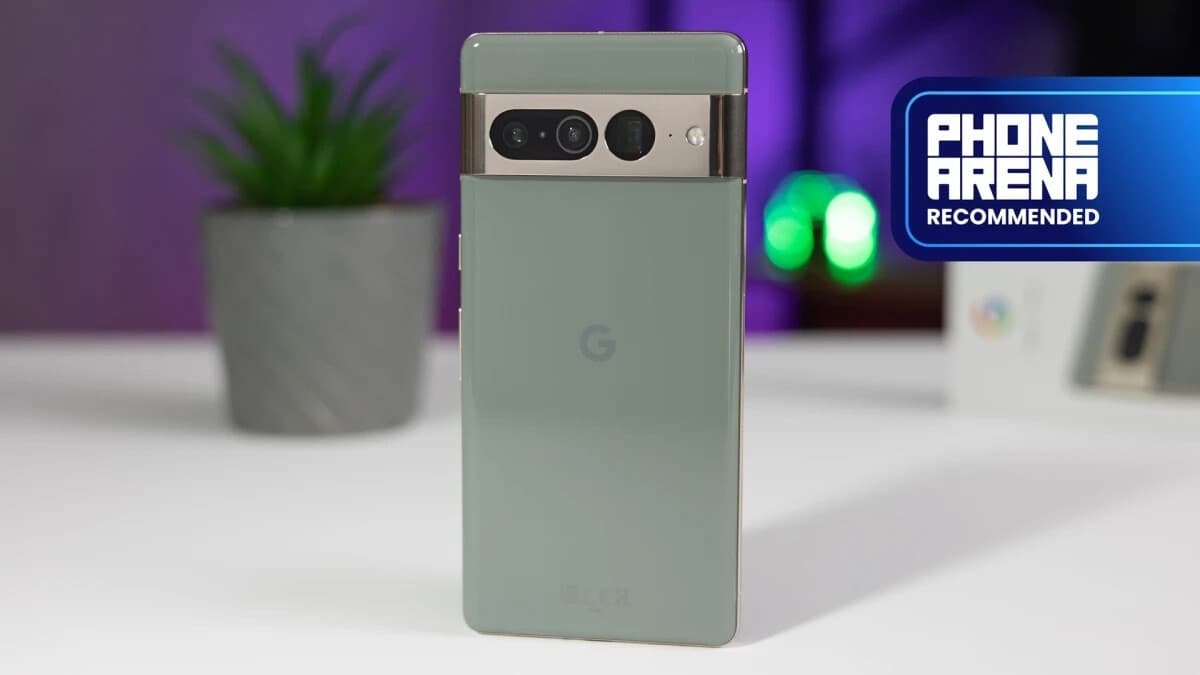
Building on the foundation of the Google Pixel 6 Pro, Google’s latest Pixel 7 Pro camera phone is an incredible entrant with a longer optical zoom and a very adept camera system. The phone comes up with a 50MP rear camera with an f/1.85 aperture, a 12MP ultra-wide shooter with an f/2.2 aperture, and a 48MP 5X telephoto lens with an f/3.5 aperture, an improvement over the 4X rear camera one found on the Google Pixel 6 Pro.
We enjoy the quality and dynamic range that the Pixel 7 Pro produces, but on this already overcast day, we discovered that a number of the pictures were dramatically underexposed and appeared much more gloomy than they actually were. It is evident that both the selfie camera and the new ultra-wide camera have a broader field of vision.
However, if we had to pick one significant improvement to the camera in the new Google Pixel, it would have to be the fact that low-light shots are frequently taken twice as quickly as they were with the previous Google Pixel, a great improvement. Magic Eraser is another great software addition to Google’s software experience, a worthy new
feature
for Pixel phones.
OnePlus 11
Best budget flagship camera phone
PhoneArena rating
: 8.7/10
(Image credit – PhoneArena) OnePlus 11
There’s also a 48MP ultra-wide snapper that utilizes a Sony IMX581 sensor and has a relatively fast f/2.2 aperture that provides more than decent low-light performance. This is actually one of the most decent ultra-wide cameras we’ve seen so far in 2023, a great performer! It’s not the best camera phone, but definitely has one of the best cameras in the price range, especially considering the Android scene.
The phone camera experience redefined
PhoneArena rating
: 8/10
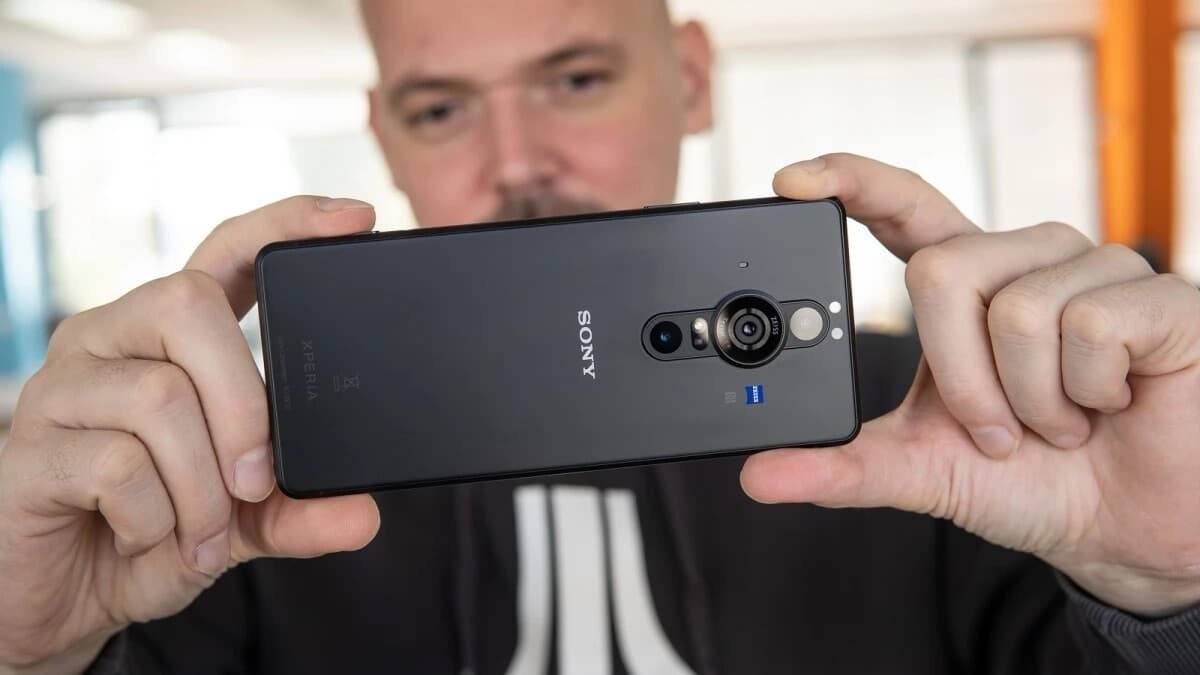
(Image credit – PhoneArena) There can be only one Camera phone!
This one’s not totally new for the digital camera world, as it can also be found in the company’s Sony RX100 VII compact camera. Normally, the rear camera sensor is a 20MP one, but Sony has cut it down to 12MP in the Xperia Pro-I, so it’s technically not using the full capabilities of the sensor, but is still more than decent enough especially when camera phones are considered.
On top of that, the main camera of the Xperia Pro-I has an F2.0/F4.0 switching aperture that can be changed depending on the lighting conditions and will mostly affect the depth of field and exposure. You can play around with the two different apertures in order to achieve different results, but have one thing in mind –– although this Sony phone is among the good camera phones, it’s not that intuitive to jump into, especially if you’re not into photography that much. It’s the furthest from a regular point-and-shoot camera phone in recent years.
This makes it one of the best camera phones for people who value manual controls and mobile photography. You can use this one to take superb night mode with the rear camera. In general, the camera sensor’s ability to collect a lot of light is one of its biggest strengths. When combined with the main 24mm camera’s switchable aperture, you can truly get serious about low-light photography.
Google Pixel 7a
Best budget camera phone
PhoneArena Rating
: 8.5/10
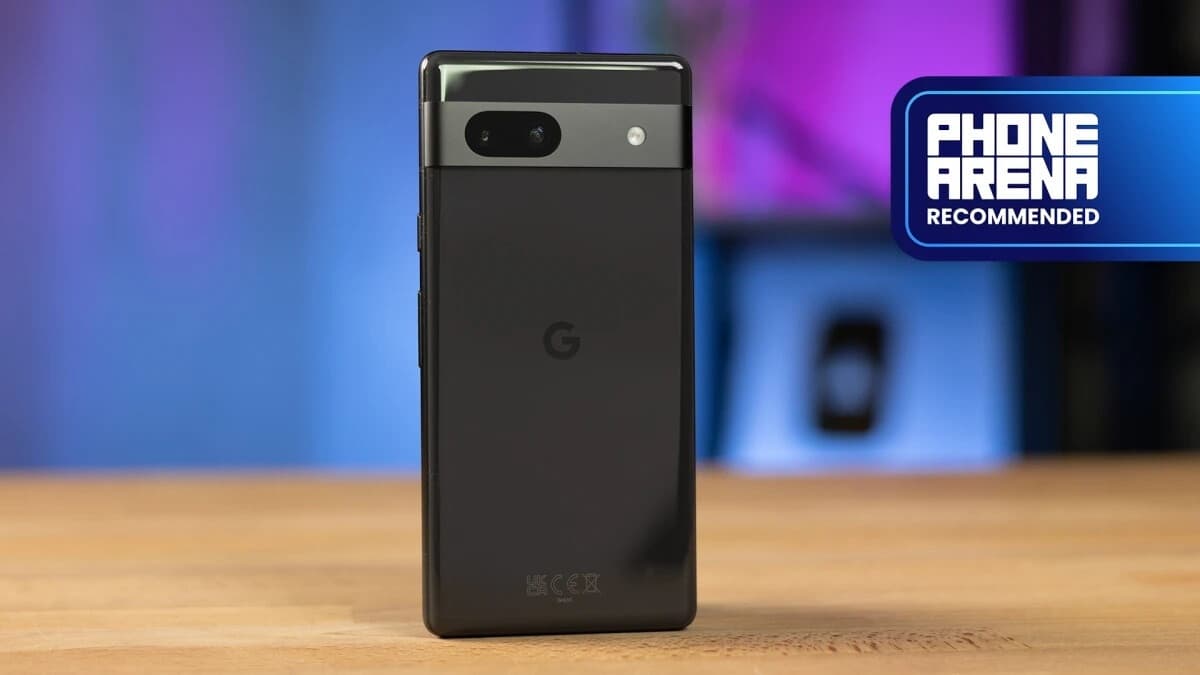
(Image credit – PhoneArena) The Pixel 7a is just as good as its full-fledged siblings but much more affordable
Overall, a case could be made that this here Google Pixel 7a is the best affordable camera phone you might consider in 2023. It offers an excellent bang for the buck, with just enough camera features and a very decent image-processing that carries over the signature post-processing look of Google’s flagship Pixel lineup, which are among the best camera phones one might consider.
With the Pixel 7a, Google uses quad-pixel binning to combine four pixels into one, producing 16MP images. Pixel-binning not only produces more detailed images but also makes the sensor more light-sensitive, which sounds great. That also improves the quality of low-light images.
The Pixel 7a will use the 13MP Sony IMX712 sensor for its ultra-wide camera, which also receives a change in camera sensor at the same time. As a reminder, the 12MP Sony IMX386 ultra-wide sensor was used in the Pixel 6a and many earlier Pixel devices. There’s a 13MP selfie camera at the front, which generally allows you to take very decent selfies.
What’s the image quality like?
Both in good and in bad lighting conditions, the Pixel 7a shoots very decent photos, with a delightful vibranc, lively color reproduction, and sharp details. Portraits are superb with the Pixel 7a, as it does an excellent job at isolating your subject from the background. The video-recording capabilities of the device have also been ameliorated by improved optical stabilization.
Xiaomi 13 Ultra
One of the best exotic Android camera phones
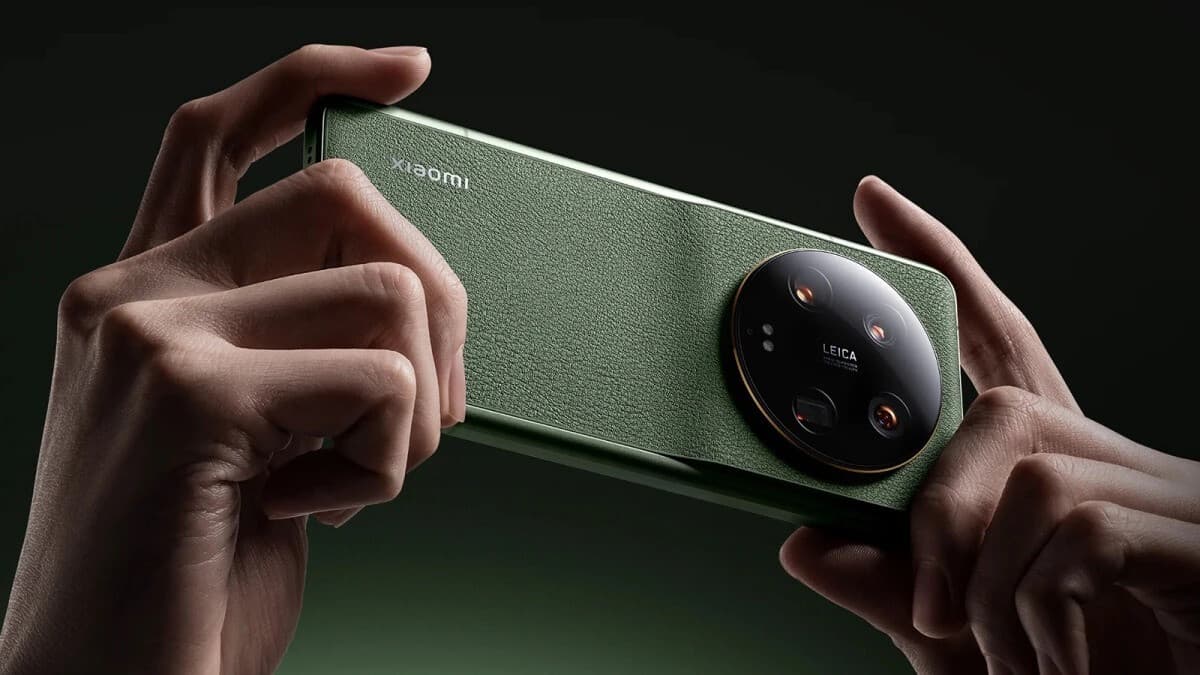
Xiaomi 13 Ultra
The Xiaomi 13 Ultra is an exotic Android phone from China packing some very, very serious camera hardware. The camera setup is quite spectacular, helmed by a 50MP wide-angle camera sensor with a massive 1-inch sensor with a switching aperture, which is bridging the gap between mobile phones and more potent dedicated mirrorless and DSLR cameras.
Although the latter still have bigger sensors, allowing for better image quality, the Xiaomi 13 Ultra’s 1-inch camera is seriously impressive for a mobile phone. There’s switching aperture as well. At its maximum extent, this one measures at f/1.9 and allows for very natural-looking bokeh at the expense of slightly softer detail. Switch to the f/4.0 aperture mode, however, and you will enjoy a much, much sharper photo, with natural details.
Here are the full Xiaomi 13 Ultra camera specs:
- 50MP Wide (IMX989, 1″ sensor), 23mm lens, f/1.9 – f/4.0
- 50MP Ultra-wide (IMX858, 1/2.51″ sensor)
- 50MP 3.2X Zoom (IMX858): 75mm f/1.8
- 50MP 5X Periscope zoom (IMX858): 120mm f/3.0
- 32MP Front cam
But what’s even more important than the raw hardware is the image post-processing, which is what matters the most at the end of the day. Over the years, we’ve seen many smartphone cameras with impressive hardware that put a stick in their own wheels by lackluster or excessive post-processing. Fortunately, the Xiaomi 13 Ultra doesn’t fall into the same trap and doesn’t rely on oversharpening, aggressive HDR, or on excessive post-processing that gives off that unmistakable smartphone look.
Oppo Find X6 Pro
“The phone with three main cameras”
PhoneArena rating: 9/10
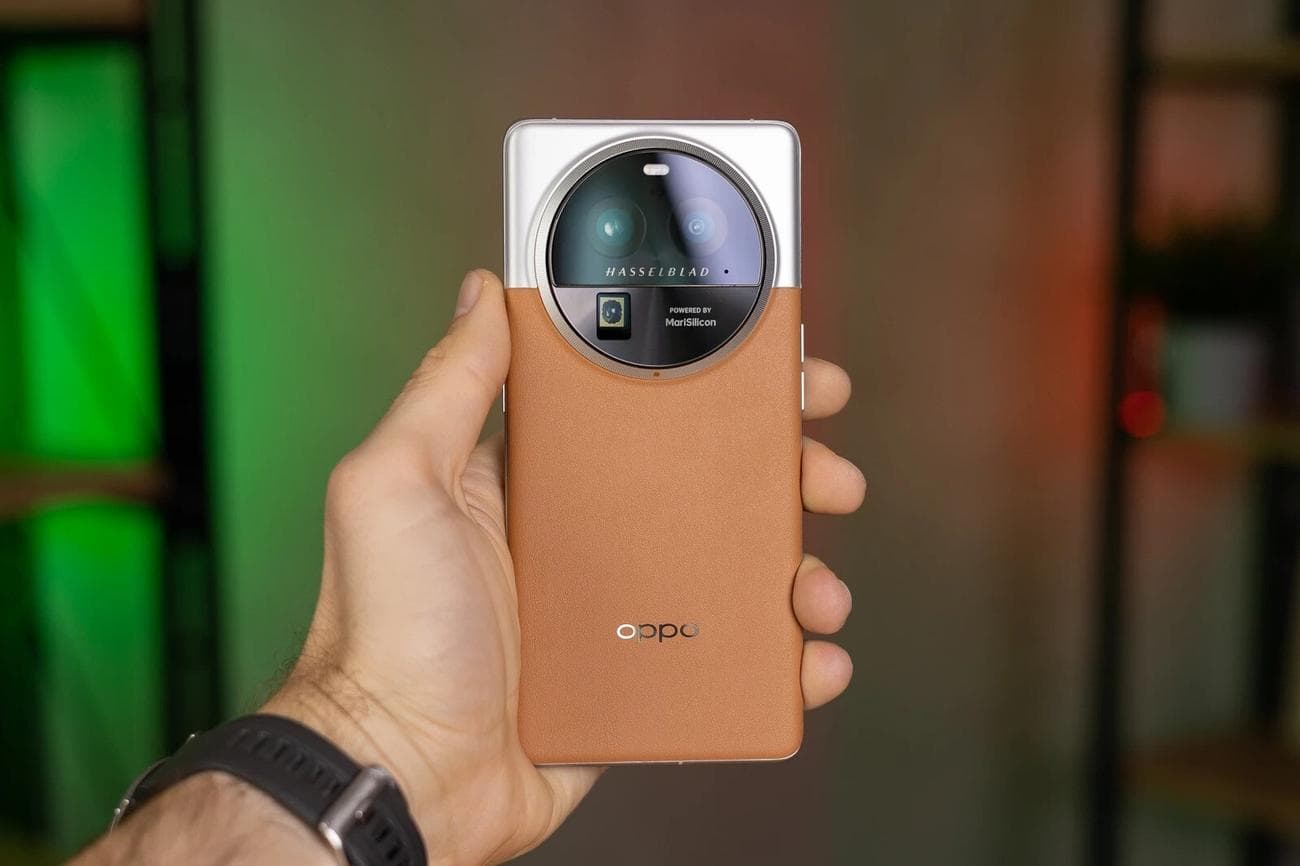
(Image credit – PhoneArena) Oppo Find X6 Pro
Welcome another exotic camera phone, this one manufactured in close collaboration with camera giant Hasselblad––Oppo Find X6 Pro. The latter is one of the more exciting and good camera phones we’ve reviewed recently, though you should have in mind that it has very limited global availability.
Oppo, on the other hand, incorporated a periscope camera with the same 1/1.56″ IMX890 sensor as the ultrawide camera on the Find X6 Pro, offering a unique 50MP zoom camera unlike any other available right now. This one can achieve a hybrid 6X zoom, and thanks to the large prism inside the telephoto camera, this one can
There are some downsides, though. The phone would occasionally grace your photos with burnt highlights and colors, implying that the dynamic range and the HDR capabilities of the Oppo Find X6 Pro might need some software tuning up.
How to choose a camera phone for specific photography styles?
Most camera phones these days have similar camera setups, and thus, mostly excel at the same types of photography. Regular, everyday situations will hardly prove to be a challenge to the best camera phones out there, which all excel in daylight photography. There are few phones that specialize in niche photography styles, but the majority are mostly jacks-of-all-trades.
Thus, whichever camera phone from the mentioned in the list above you go for, you are likely getting a rather versatile package that could cater to just about any specific need you might have. Surely, some camera phones allow you to shoot in ways that other don’t, so a careful research should be considered before a purchase.
There are exceptions, of course. If you’re into wildlife photography, few camera phones will do better than the Galaxy S23 Ultra, which lets you use the optical zoom to get close to your subjects. Surely, the Xiaomi 13 Ultra and the Oppo Find X6 Pro among others are very capable zooming phones, but their limited availability makes it hard to consider or recommend them.
For portrait photography, it really is a toss up between the Galaxy S23 Ultra and the iPhone 14 Pro Max, though the Google Pixel 7 Pro also holds its own against the aforementioned competition. It all depends on how realistic and processed you want your portraits to look like.
When it comes to night photography, the Galaxy S23 Ultra, iPhone 14 Pro Max, and Pixel 7 Pro all compare excellently, making them some of the very best camera phones you could consider getting right now.
How do we test camera phones?
Before we test the cameras of the phones we review, so a complete familiarization with the whole device comes as a paramount first step in the process.
Our actual camera testing starts with getting to know the camera specs, camera hardware, and camera app itself. Aside from the interface layout of the camera app, available features, and camera modes, we also spend some time into the dedicated settings page of the camera app, which often hides some awesome functionalities.
Next, there’s little else to do than go out and shoot ton of camera samples from the rear camera, the optical zoom camera and the telephoto camera, ultra wide cameras, and the selfie camera. We take portrait mode shots, test the optical image stabilization during, the macro mode, the night mode, and any other camera feature that could potentially let you take better photos.
Then, we analyze the samples made with these “best camera phone” candidates thoroughly.
Are there any glaring issues?
What’s the detail like, the dynamics, the low-light performance? Are there any missing features that we’ve seen on other superb camera phones?
As it usually is nearly impossible to gauge a camera by itself, we often compare a camera phone against its predecessor and/or some of its rivals in the space, which allows us to gauge how it fares against the competition. This is a very brief summary of how we measure up the best phone cameras out there.