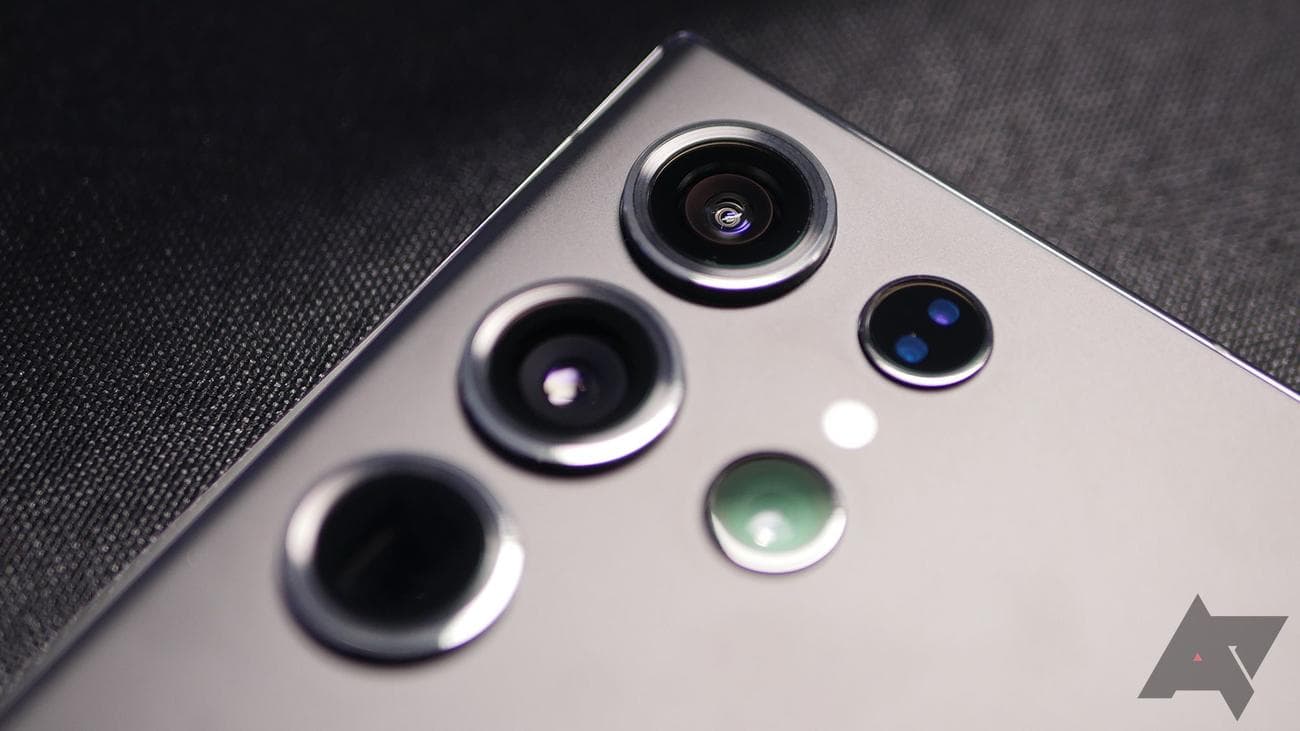
The best phones with ultrawide lenses in 2023
You can now find ultrawide cameras on all kinds of smartphones. These extra-large rear cameras snap to an enormous field of view and capture unique looks at landscapes. Ultrawides bring in more surrounding detail. They also give photos a magnified look that can be corrected via editing and modes or used as a stylistic choice on your latest nature hike.
While these ultrawide smartphone features don’t compare to a DSLR and a pricey ultrawide lens, they’ve come closer in recent years, and competition is fierce among the best of the bunch. Plus, you can fit them in your pocket and immediately access all kinds of editing apps, so there are built-in advantages for the sort-of-professional photographer.
If you’re looking for a phone that doubles as a dedicated photography tool, you may wonder what brand is best, how wide the ultrawide lenses should be, and which design offers the highest-quality shots. We review the current best of the bunch, including
Google
and Samsung models, and what they bring to the table.
Important ultrawide smartphone features and why they matter
If you’re relatively new to ultrawide
technology
on smartphones, there are several important concepts to know about these advanced, compact lenses.
-
Wide-angle vs. ultrawide
: Wide-angle cameras have more traditional fields of view that typically max out around 84 degrees or less. They have key advantages, including a lack of distortion that ultrawide lenses may create and a greater focus on specific details. However, they can’t capture those extra-wide, immersive shots like ultrawide lenses, which typically start at a 90-degree field of view. If cameras have multiple lenses, one is often a wide-angle lens and the others offer ultrawide capabilities. Depending on the type of photography you do, you may only need a wide-angle lens. -
Megapixel (MP)
: Megapixel is a spec that measures how much visual data a camera sensor can capture. One megapixel equals around 1,000,000 pixels. The higher the megapixels, the better the resolution. Megapixels are important for quality images, to an extent. They’re also why image formats take up so much room in your storage. Because ultrawide shots tend to capture a lot, it’s a good idea to pair them with a high-megapixel sensor that can push these photos to the limit. -
Aperture (f/)
: Aperture specs indicate how wide the lens can open, typically showing the maximum open size via the f-stop measurement. The smaller the f-stop, the wider the lens opening. Wider openings let in more light, while lenses with higher f-numbers are better at taking sharper action shots with a deeper depth of field. Smaller f-numbers that allow for larger apertures are often preferred since they allow for better low-light work, but there are trade-offs. Generally, ultrawide lenses have higher f-numbers than the other lenses on the phone (due primarily to manufacturing and design constraints), which means they’re not as great for taking pictures in low light. -
Autofocus
: Autofocus identifies subjects and correctly focuses the camera, making the right subjects clearer with improved contrast. All digital cameras use autofocus methods, and new smartphones are very good at it. Along with megapixels and aperture, the autofocus options on your smartphone are set in stone when you buy it, and you can’t usually upgrade them. -
Macros
: Macro shots are photos where the subject is a close focus that spans most or all of the sensor’s reach. True macro shots require dedicated lenses and sensor capabilities. However, an effective autofocus allows ultrawide lenses on smartphones to take macro shots, which wasn’t possible until recent years. But it’s an important option on the latest ultrawide models. -
Bokeh
: Bokeh means slight blurring on the areas outside the maximum depth of field, a common part of the ultrawide effect. The largest ultrawide lenses on smartphones can produce bokeh, which is a desired trait for photographers working with more stylistic shots. This is also one reason (among many) that ultrawide shots usually place the subject in the middle of the frame. -
Fish-eye
: A fish-eye lens produces a recognizable magnification effect (a little like looking through a fishbowl). While ultrawide lenses are not technically fish-eye lenses, they can produce similar “bendy” effects at the edges because of their wide field of view. Sometimes this style is exactly what you’re looking for and an advantage in ultrawide shots. Other times, you may want to correct it through software or different angles.
If you’re less interested in a photography lesson and more excited by mimicking some of the best ultrawide shots on Instagram, experiment to see what settings do on your camera. Ultrawide lenses excel at snapping photos of architecture, detailed city and nature scapes, and quirky poses by adventurous subjects. If you’re aiming for more professional photography, do your research and take a photography course before investing in one of the phones below.
Top ultrawide smartphones for 2023
If you’re looking for a new smartphone with top ultrawide capabilities, these models are worth looking at. We know that advanced lens features can quickly grow expensive, so photography-friendly cameras may not feel great on your wallet. In many of our picks below, you can downsize to a lower model to save money while getting many similar advantages. For example, you may want to choose a
Google Pixel
7 instead of a Google Pixel 7 Pro. Or you may want to switch to the iPhone 14 instead of the iPhone 14 Pro or Pro Max. Just make sure you don’t lose ultrawide capabilities in the process!
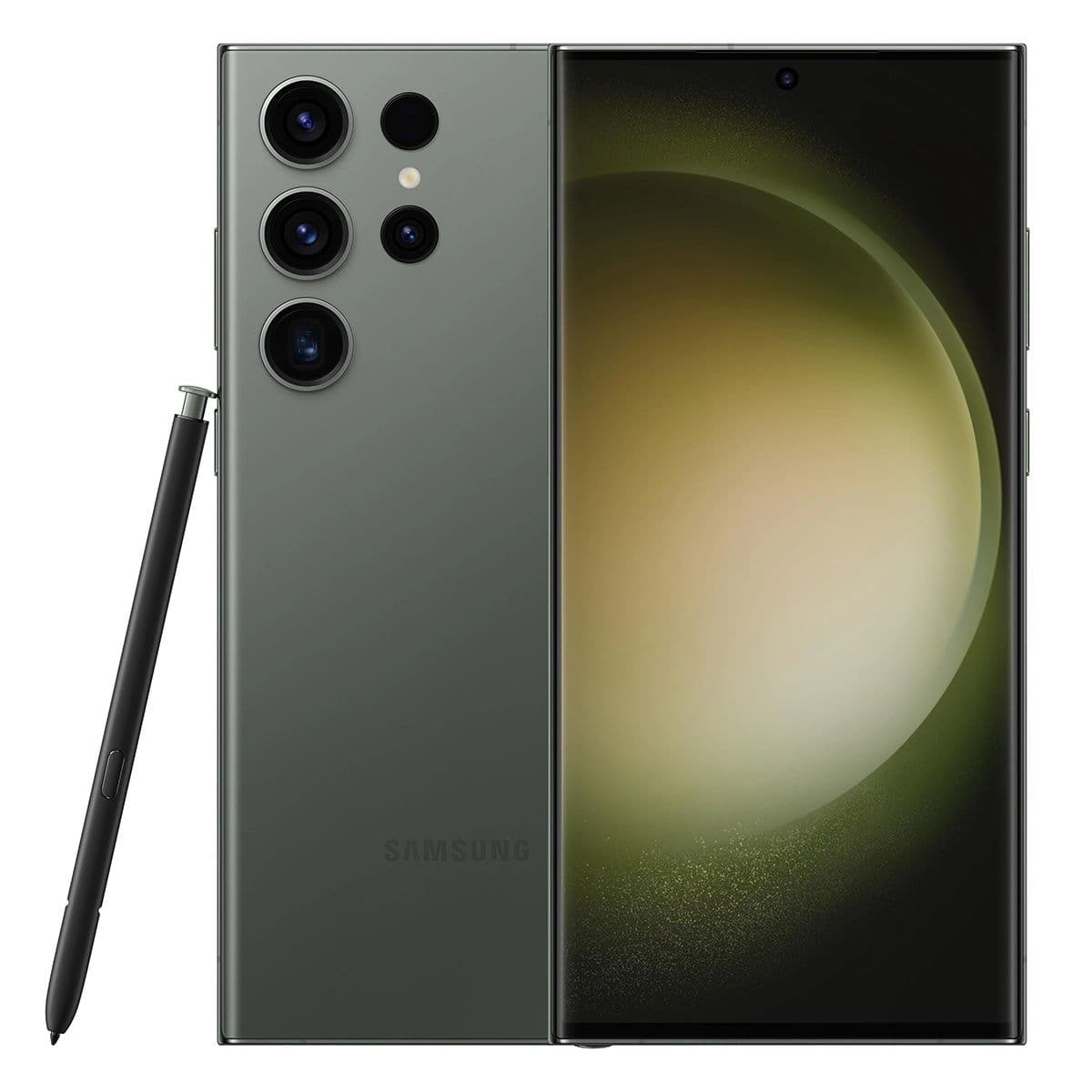
Samsung Galaxy S23 Ultra
Samsung Galaxy S23 Ultra
The Galaxy S23 Ultra is a complete package with a very effective ultrawide camera lens – although it may be a little too big for some users.
The Galaxy S23 Ultra is an incredibly well-rounded smartphone, capable of almost anything with storage and performance to match, plus an extra-large screen that comes with an S Pen. That also leaves plenty of space for the rear cameras, which include a 200MP main camera, a 12MP ultrawide, a couple of telephoto lenses, and a front camera.
Along with those powerful camera options, the S23 Ultra has a good battery life and software to improve night photography. Although, low-light environments can prove challenging to ultrawide, no matter what advanced sensors are used. It’s also improved how the Galaxy phones handle color, so you don’t have to worry as much about saturation problems.
The downside? The Ultra is big. Possibly too big for many users who want a portable option. Downsizing to the Galaxy S23 is an option that doesn’t give up on many camera features, but makes it a bit harder to edit photos on the camera.
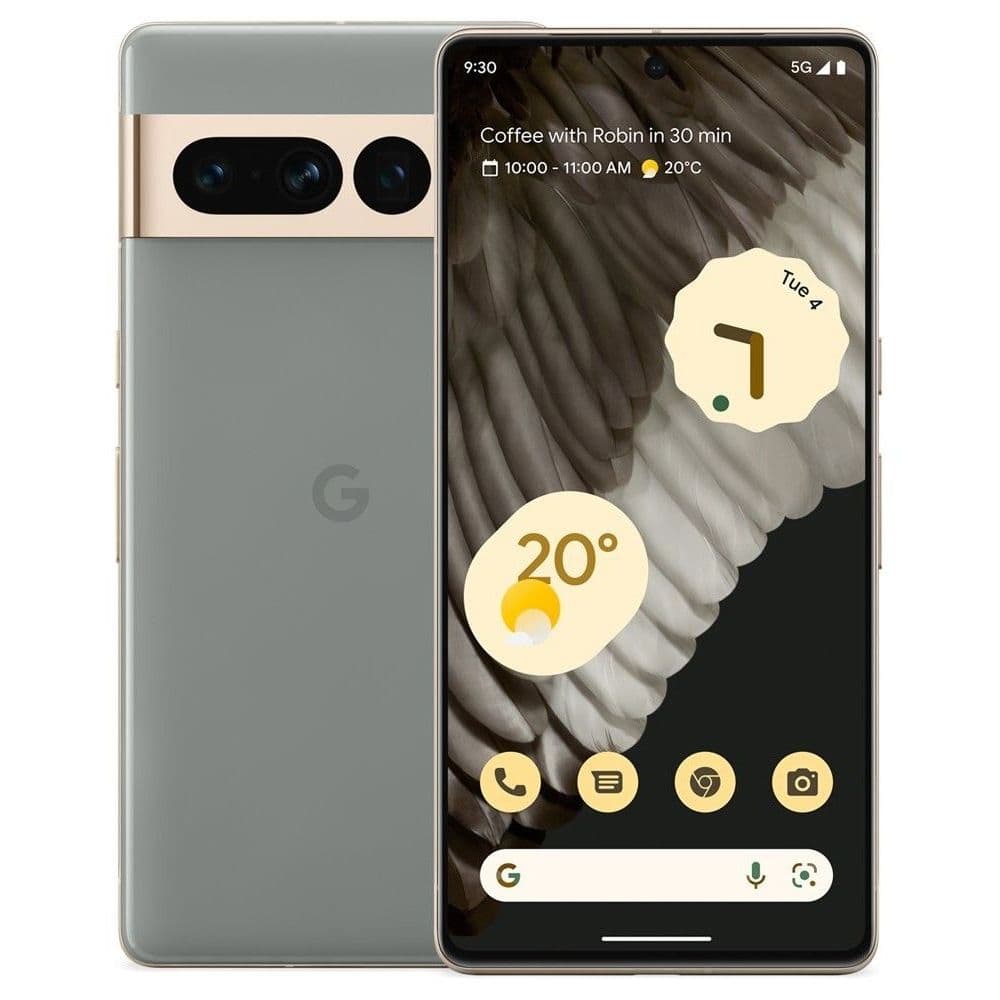
Google Pixel 7 Pro
Source: Google
Google Pixel 7 Pro
Although pricey, this upgraded Pixel 7 model comes with fantastic camera quality, straight from Google.
The Pixel 7 line went hard on camera quality, which shows particularly well with the Pro model. In addition to the 10.8MP front camera, it utilizes rear lenses, including a 50MP main cam and a 12MP ultrawide cam, plus a 48MP telephoto option. That’s enough camera options for all kinds of impressive photography work, and the quality of the photos impresses. Plus, the price isn’t unreasonable, especially if you want to save money by dropping down to the Pixel 7.
Behind the camera is the Tensor G2 processor, which is stacked with optimization options to help amateur photographers. It helps you zoom while cutting down on blur and powers the unblur function to remove some issues you may encounter in ultrawide photography.
The 7 Pro is a little pricey, especially as an upgrade from the Pixel 7. Still, it’s easily one of the best camera phones on the market, especially if you prefer Google’s suite of apps and services.
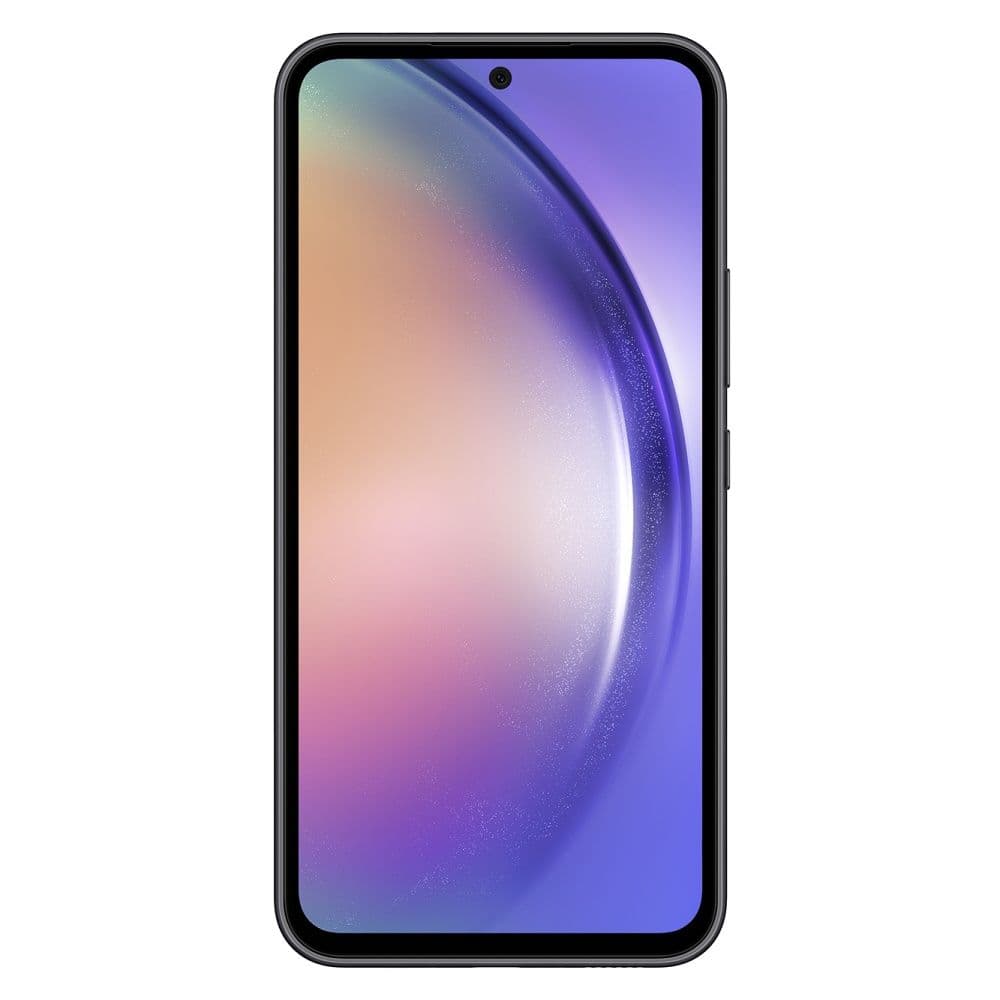
Samsung Galaxy A54
Samsung Galaxy A54 5G
$400
$450
Save $50
A perfect budget model for users who want some great ultrawide camera options in an affordable package.
It’s easy to suggest dropping down from the S24 to the Galaxy S23 to save money, and that’s certainly an option, but it’s not exactly a budget pick for those who need to save money. For that, we suggest the Galaxy A54 instead, a true budget phone with updated features from 5G connectivity to a 12MP ultrawide rear cam in the back, boasting a broad 123-degree field of view. It’s joined by a primary 50MP camera and a 5MP macro lens for detailed subject shots that look so good on social media.
We won’t pretend that the A54 is more powerful than Galaxy S models. However, it’s more affordable, and similar camera technology provides high-quality image files that still excel when it comes to color, text, and clarity. Plus, the autofocus here is as good as what you’ll find in more expensive models.
Apple
iPhone 14 Pro
Apple iPhone 14 Pro
Apple fans with deep pockets may prefer the excellent camera system on the iPhone 14 Pro for ultrawides, especially with its great RAW image file management and software.
The iPhone has long excelled at image capture, and the versatile iPhone 14 Pro is ready for photography with its 48MP RAW image file support. It has a 38MP main camera, a 12MP ultrawide, and a 12MP zoom lens. There are also plenty of storage options up to 1TB, so you can use your iPhone as an image file storage center (up to an extent) instead of getting an external hard drive.
Processing software on the iPhone 14 Pro also excels at handling photo details, supporting autofocus, and other important processes. And the ultrawide sensor got an upgrade compared to past models to improve how it handles color and lighting. Plus, the phone is more compact and portable than giants like the S23 Ultra.
However, the iPhone 14 Pro is also very expensive. It’s an option best reserved for buyers with deep pockets who don’t mind the iOS platform.
OnePlus
11
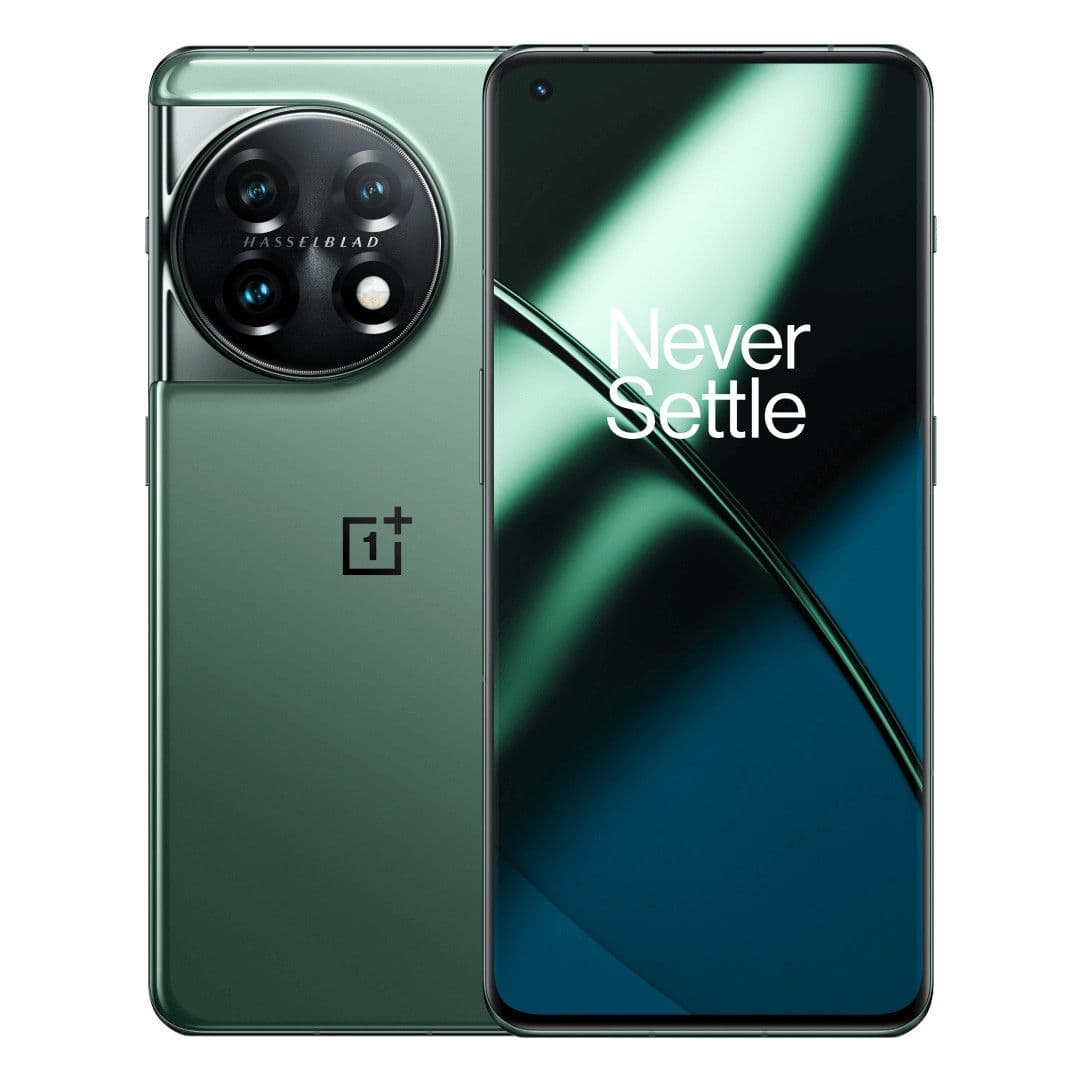
OnePlus 11
$500
$700
Save $200
This compact smartphone has great camera hardware, making it a photographer’s best friend at a very reasonable price.
The OnePlus 11 isn’t exactly a budget phone. It’s a very good, affordable phone sporting an AMOLED screen, an updated Snapdragon 8 processor, and some great camera options, thanks to a partnership with Hasselblad. That includes a deeply impressive 48MP, 115-degree field of view ultrawide camera with more capture potential than most picks on our list (and a built-in macro mode), a 50MP main cam, and a 32MP telephoto option.
From a lens perspective, it’s one of the best ultrawide camera phones you can find anywhere. Sensors excel in the daytime but don’t quite reach the quality of some more expensive options. Hasselblad’s expertise in color and photographer-created preset modes also pushes photography options over the line into a truly impressive territory. It’s a powerful device for a dedicated camera phone if you plan to take lots of ultrawide shots.
Oppo Find X5 Pro
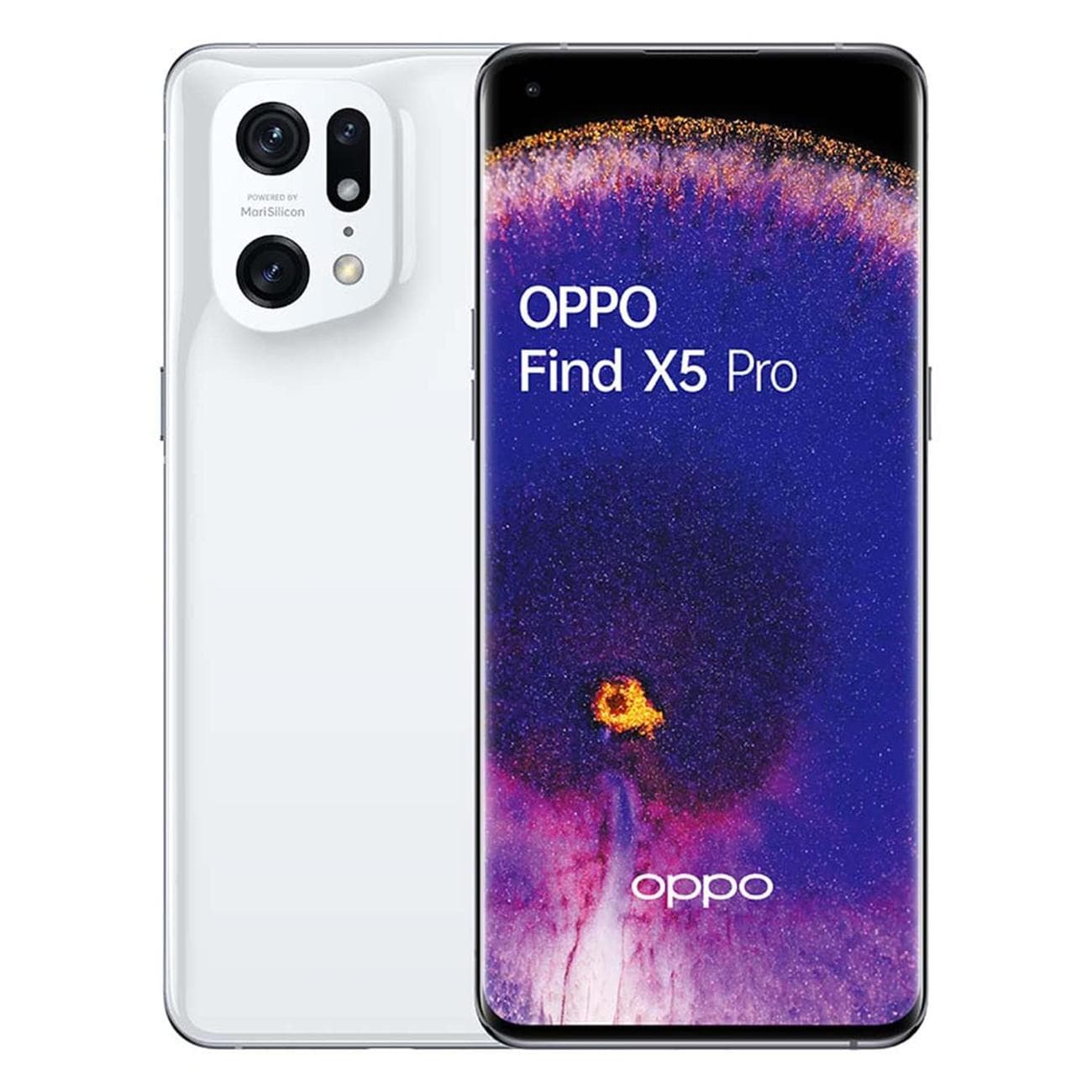
Oppo Find X5 Pro
The Oppo’s latest customized design includes powerful camera hardware in a unique package.
If you want to go off the beaten path a little, this Oppo model was praised for its wide-angle photography, thanks to a powerful ultra-wide cam rated at 50MP and 110-degree field of view, with autofocus and macro options both enabled. It even has a dedicated MariSilicon X Imaging NPU, making it a little camera powerhouse with a hardware combination you won’t find just anywhere.
The downside is that this customized phone is very expensive, and availability may be an issue in some regions compared to more popular worldwide brands. But don’t let that deter you if you’re looking for a uniquely capable ultrawide solution with a compact design.
Sony Xperia 1 IV
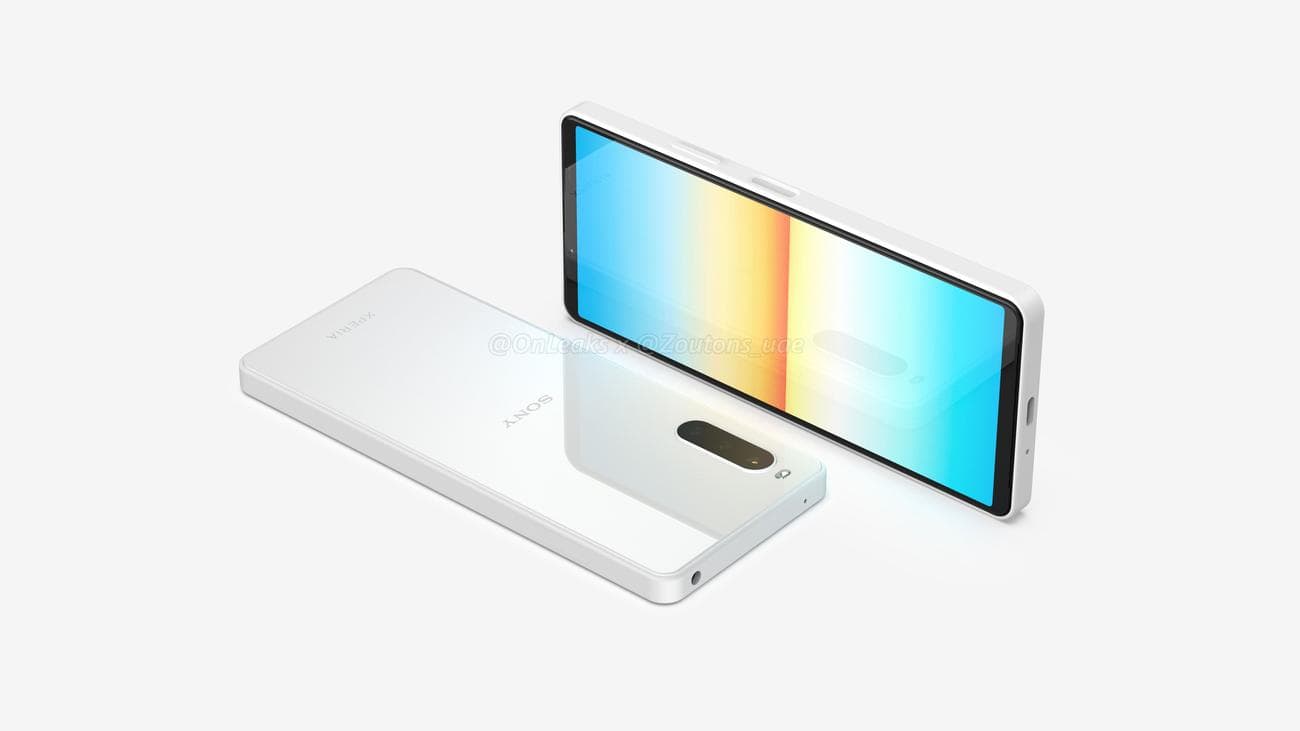
Sony Xperia 1 IV
Sony’s 2022 Xperia phone is an incredible video-taking machine with added ultrawide camera capabilities.
Thanks to its Zeuss lenses, this Xperia line performs particularly well for photography. The IV model includes a 12MP ultra-wide lens and handy features like object tracking for your shots. It also excels at video, making this a good pick if you plan to take lots of video shots and like to snap ultrawide photos for the best effects. The rear lenses support 4K HDR 120fps video recording, so you’ll be ready for anything and can experiment with high-quality video production at every level.
Max out your photography with the best ultrawide phone
Our phone picks can get you started with ultrawide photography that fits in your pocket. Practice makes perfect, so you’ll want to spend a lot of time experimenting with ultrawide shots of various subjects to see what gets the effects you want. Before long, you’ll be creating stunning shots and wowing your friends and photography clients.