Which is the best mid-range Android phone?
-
Source:
Google
Google Pixel
6a
Powerful and affordable
The Google Pixel 6a one of the best mid-range smartphones yet released. With the Tensor G1 chipset, a competent camera setup, and Google’s speedy software support, it is hard to beat the Pixel 6a in the value department.
Pros
- Compact size
- Long software support
- Value for money
- Great camera
Cons
- Poor network performance
- Relatively slow fingerprint scanner
-
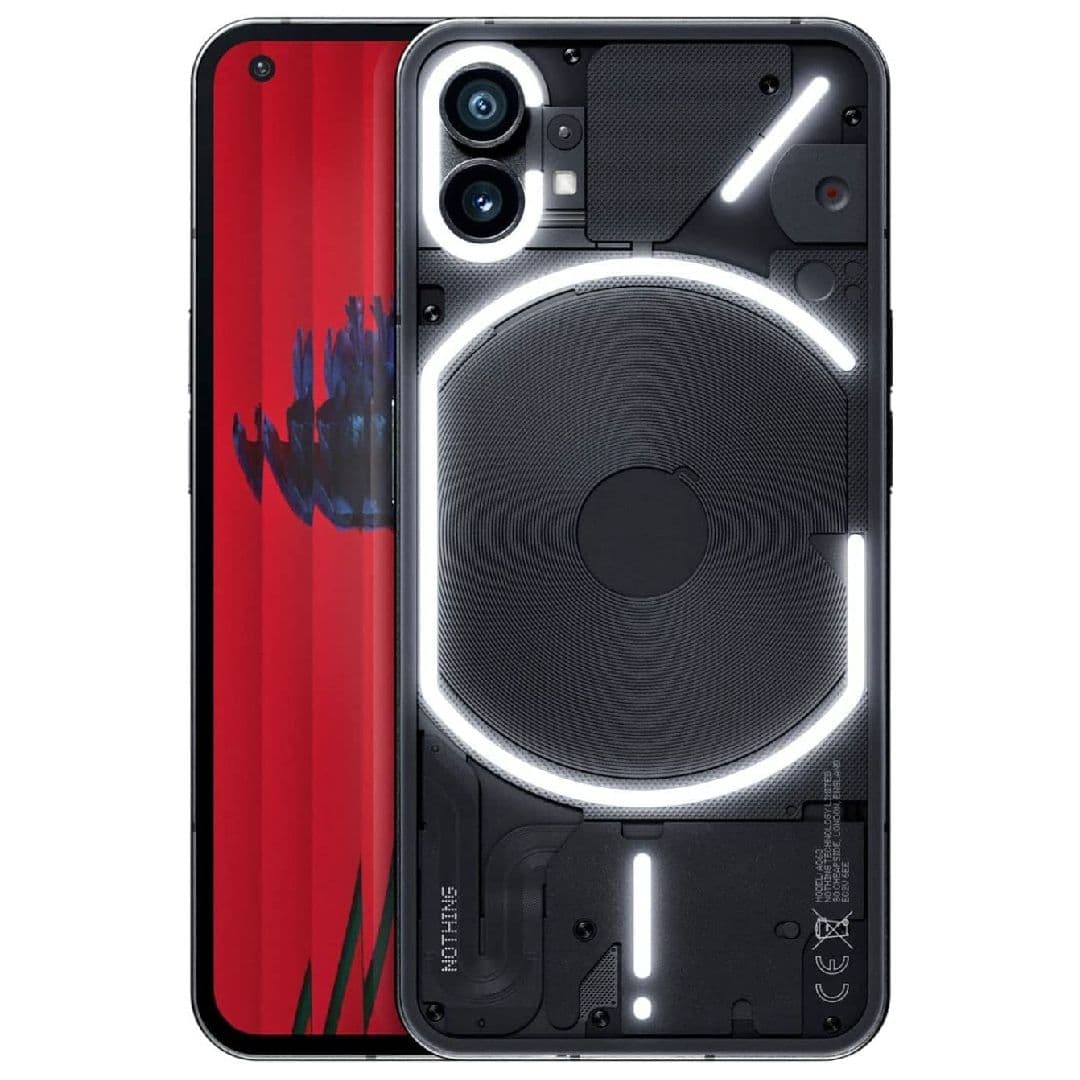
Nothing Phone 1
The flashy mid-ranger
If you want a smartphone that stands out from the crowd, look no further than the Nothing Phone 1. Its unique design, excellent performance, and Glyph interface deliver an excellent user experience. The phone’s limited availability and sub-par camera performance are a concern, though.
Pros
- Unique design
- Straightforward Android implementation
- Decent performance
Cons
- Subpar camera performance
- Limited availability
- Slow software support
Google’s Pixel 6a is an excellent mid-range phone packing a powerful Tensor chip and a competent camera setup. It is the successor to one of the best budget Android phones on the market. And then there’s the Nothing Phone 1, the company’s first phone featuring a unique design, Glyph interface, and a ton of hype backing it. The hype surrounding the phone has died a fair bit since its launch, partly due to availability. But if you want something novel and are willing to overlook a couple of shortcomings, the Nothing Phone 1 might be worth a look.
Pricing, specs, and availability
Source:
Amazon
At release, the Pixel 6a carried the same $449 price tag as previous mid-range Pixel phones, despite an updated design, a faster chip, and several other improvements. Now it’s available for just $340 at some retailers, although it’s more expensive in Europe, as is typical.
Pricing for the Nothing Phone 1 varies from €399 to €549 in Europe. Initially, The phone did not launch in the US but was available for free alongside a $300 enrollment in the Nothing Beta program. Unfortunately, the lack of any more references to this program on Nothing’s website indicates it’s probably gone for good, so you’ll have to import one yourself from overseas or buy an unlocked model from Amazon for about $400.
As for availability, the phones are available in limited markets. The Pixel 6a is available in 14 markets, including Australia, Canada, France, India, the United States, and the United Kingdom. That’s a big step up from the 2021 Pixel 5a that only launched in the US and Japan. In comparison, you can purchase the Nothing Phone 1 in mainland Europe, Japan, India, the U.K., and 35+ other markets. The kicker here is that since the Nothing 1 wasn’t designed specifically for use stateside, it doesn’t support every single one of the bands used by all US carriers. In particular, it’s missing some 5G bands for most major carriers and all 5G, VoLTE, and VoWiFi on AT&T’s network.
-
Google Pixel 6a
Nothing Phone 1
SoC Google Tensor Snapdragon 778G+ Display 6.1” 2400×1080 (20:9) 60Hz OLED 6.55-inch 2400×1080 OLED, 120Hz, 700 nits (peak) RAM 6GB 8, 12 GB Storage 128GB 128, 256 GB Battery 4,400mAh 4,500mAh Ports 1x USB Type-C USB Type-C 2.0 Operating System Android 13 Android 13 / Nothing OS 1.5 Front camera 8MP f/2.0 IMX355 84°FOV 16MP Rear cameras 12MP f/1.73 IMX 363 w/OIS 77° FoV; Ultra-wide: 12MP f/2.2 IMX386 114° FoV 50MP f/1.9, 50MP f/2.2 114˚ ultrawide Connectivity 5G, Wi-Fi 6E, Bluetooth 5.2, NFC 5G, Wi-Fi 6, Bluetooth 5.2, NFC Dimensions 152.2mm x 71.8mm x 8.9mm, 178g 159.2 x 75.8 x 8.3mm Colors Sage (green), Chalk (white), Charcoal (black) White, black Weight 6.72 oz 194g Charging 18W USB PD 33W wired, 15W Qi wireless, 5W reverse wireless IP Rating IP67 IP53
Design
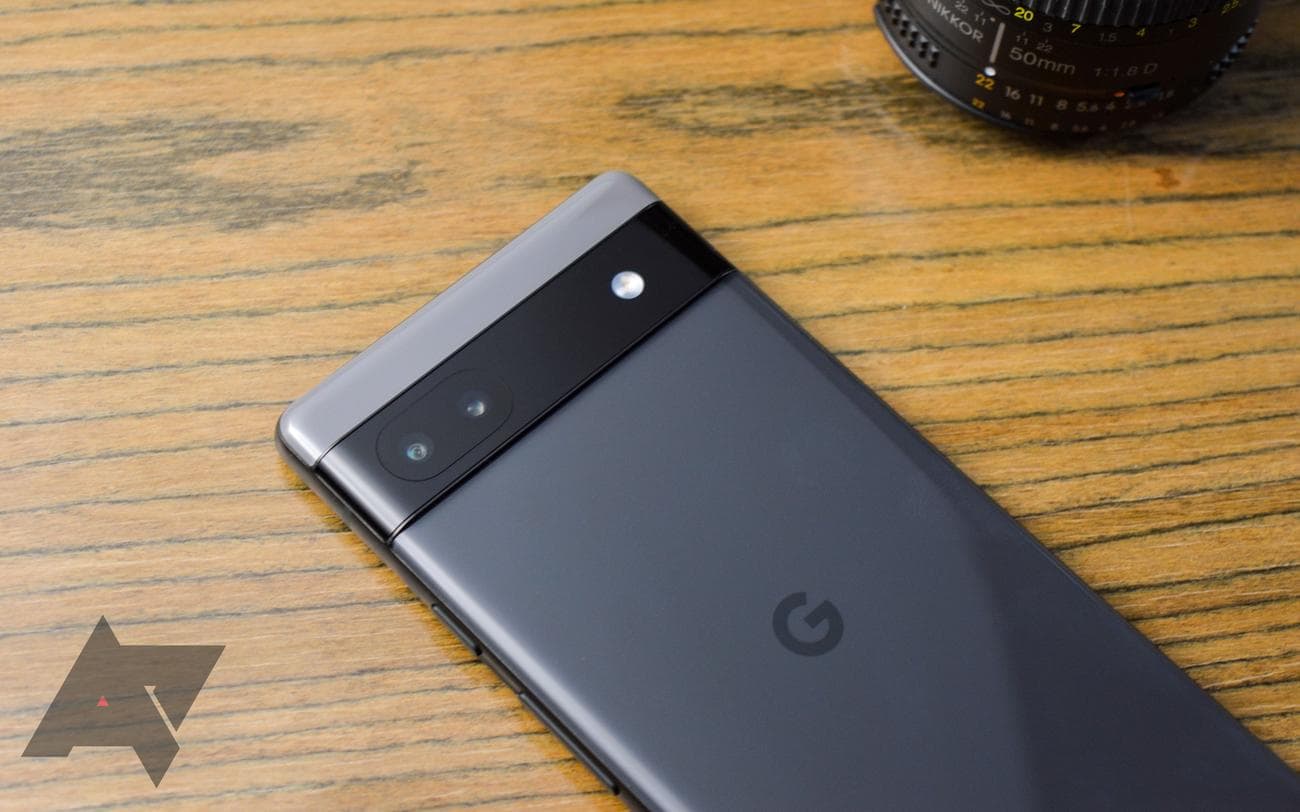
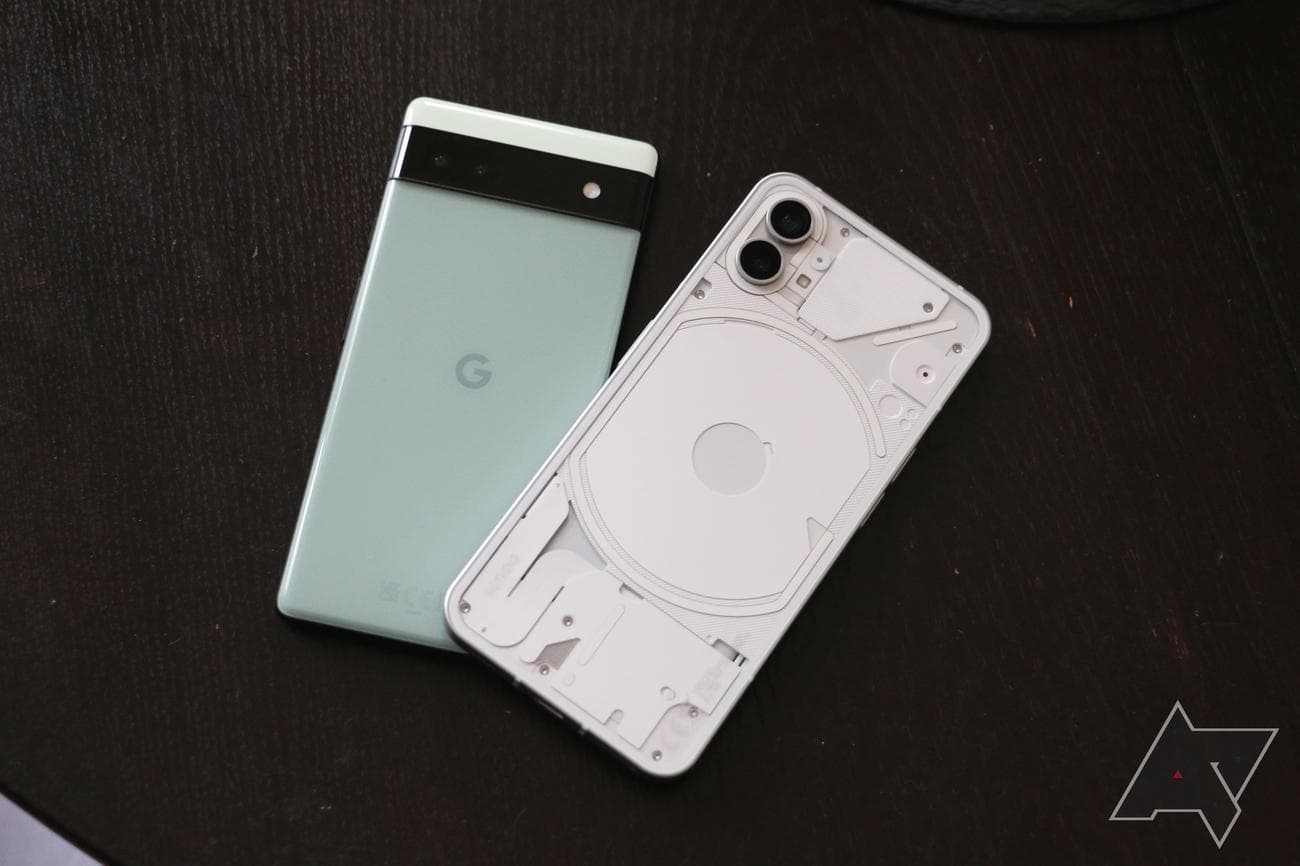
The Pixel 6a sports the same design language as the Pixel 6 and 6 Pro. While the front is nothing to talk about, the rear casing is made of a 3D thermoformed composite back with a fingerprint-resistant coating. It features a camera bar that houses the dual cameras and the LED flash. The Pixel 6a looks different from other mid-range Android phones but can’t beat Nothing’s offering in this department.
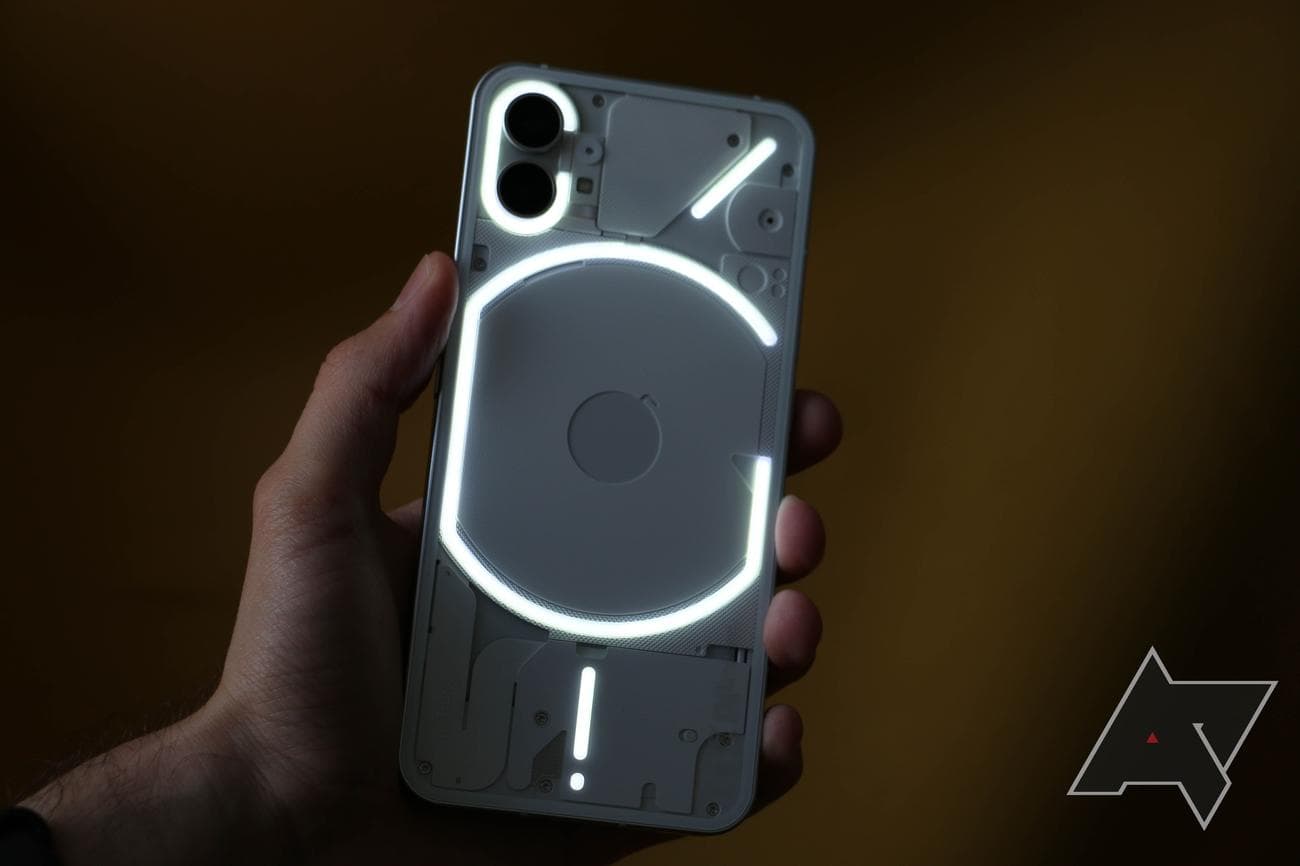
The Nothing Phone 1’s rear has transparent glass, giving you a glimpse inside the phone. White (or black) plates cover all the important components for a clean look. LED strips consisting of over 900 individual LEDs are on the rear panel, which further helps the device stand out. They are a part of the phone’s Glyph interface and flash in sync with your notification and call sounds.
If you want a phone with a distinct design, the Nothing Phone 1 is the obvious choice here. However, that design has some drawbacks. While the Pixel 6a is IP67 dust and water-resistant, the Phone 1 is only IP53 splash-resistant. The translucent back can also show dirt particles trapped inside and could discolor over time.
Display
.JPG)
The Pixel 6a sports a 6.1-inch 60Hz FHD+ OLED panel, while the Phone 1 has a 6.55-inch FHD+ 120Hz OLED display. Nothing’s device has a minor advantage in the display department, as the higher refresh rate is easily noticeable in daily life. We did find some uneven areas and a slight green tint at the lowest brightness on our review unit, but it’s not exactly a deal-breaker. The Pixel’s OLED display is not bad by any means, and many might prefer its compact 6.1-inch size. However, the 60Hz refresh rate is a bummer despite the potential for a 90Hz overclock, which is way too involved for most users.
Both phones sport a punch-hole that houses their selfie camera, but the one on the Pixel 6a is located in the center, while the Phone 1’s cut-out is on the left. Both also
feature
an in-display fingerprint scanner.
Nothing originally advertised the Phone 1 with a 1,200-nit peak brightness, but it has since backtracked, using software to limit it to just 700 nits for battery and thermal management purposes. It toyed with us about possibly unlocking that peak, but it’s not looking good with no such progress yet. By comparison, the Pixel 6a’s real-world measurements indicate a peak of nearly 900 nits, making it relatively easy to see in direct sunlight. Taken together, look to the Pixel 6a if you want a brighter screen and the Nothing if you need that smooth scrolling all the time.
Software
While it may not be on par with
Samsung
‘s renowned OneUI Android flavor, Google’s OS implementation gets its fair share of praise. It’s easy to use and has many capabilities, including Google’s new and novel machine-learning functions. There’s a tiny catch-22 in there, though. In a way, Google still treats its Pixel phones as a test bed for new features and sometimes daring updates. In our hands-on experience, updates, and new feature additions periodically broke something we’d only just figured out and begun to appreciate on our Pixels. This trend isn’t quite as obvious as a few years ago, but it still happens occasionally.
Like the Pixel, Nothing’s Android is largely based on stock Android. Besides the Pixel-exclusive features you won’t find anywhere else, the Nothing Phone 1 provided an entirely pleasant and user-friendly experience, despite it technically being in beta testing then and being the company’s first foray into Android development.
Both phones will receive major Android updates through 2025, with security patches extending through 2027 and 2026 for the Pixel 6a and Nothing Phone 1, respectively. As a whole, it’s a moderate win for the Pixel 6a in the software department.
Performance

Source: Google
The Pixel 6a is powered by the same Tensor GS101 chip ticking inside the Pixel 6 and 6 Pro. Google’s first smartphone SoC also focused on GPU and machine learning, delivering flagship-level performance. Its overall capabilities are second only to the most vaunted and costly competitors. Only the most demanding users will find even the slightest complaints in real-world use.
The Nothing Phone 1’s Qualcomm Snapdragon 778G+ chipset is nothing to sneeze at, but it’s not in the same tier as the Tensor family. It’s quick and reasonably efficient, but lacks the hard coding to accommodate the same machine-learning algorithms seemingly turning into Google’s bread and butter.
On the other side of the coin, the Nothing comes with either 8 or 16 GB of RAM, which can help with general performance and multitasking. That’s in contrast to the sole 6 GB configuration of the Pixel 6a. The extra system memory does help the Nothing Phone, but doesn’t quite bridge the gap between the two.
In real-world use, most users are unlikely to find any performance issues between the two devices. But if you tend to push your phone harder than others and want the absolute best performance (as well as cutting-edge “AI”-driven features), choose the mid-range Pixel.
Battery life
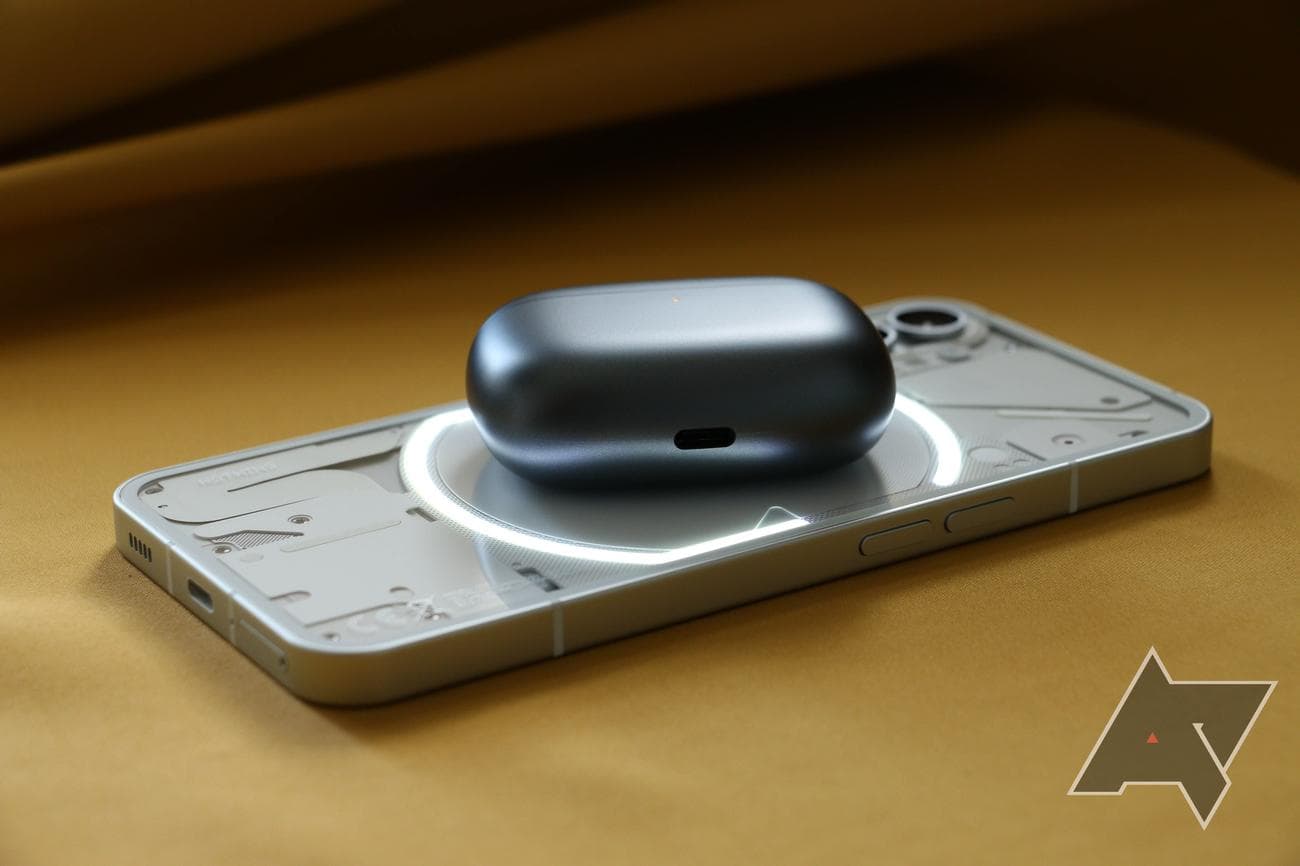
Both midrange phones offer acceptable battery performance. Neither is a marathon runner, but they’ll each last all day of all but the heaviest use. The battery capacities are nearly identical, and the Pixel’s power-hungry Tensor chipset is offset by the Nothing’s battery-draining 120-hertz refresh rate. Unless you’re on your phone all the time, doing a lot more than just browsing, we don’t predict any major issues regarding battery life.
They do differ significantly when it comes to charging capabilities, though. Its 33-watt wired charging nearly doubles the Pixel’s 18-watt maximum and can charge the phone fully in as little as 70 minutes. Meanwhile, the Pixel outright doesn’t support wireless charging. The Nothing lets you charge wireless at up to 15 watts and can even provide 5 watts wirelessly for trickle-charging small devices like earbuds and smartwatches. So if you care about fast charging and wireless charging, it’s a big win for Nothing.
Camera
.JPG)
The specs seem to indicate that the Nothing’s 50MP main camera might outshine the Pixel 6a’s mere 12MP sensor. But if you’ve been around any Pixel smartphones before, you might know that numbers don’t tell the whole story. Based on the impressive image processor baked into the Tensor chipset, Google’s imaging algorithm routinely lands it among the top smartphones for taking pictures. Even with a reduced sensor size compared to the full-powered Pixel 6 and 7 lineups, the 6a’s one of the easiest no-nonsense, point-and-shoot camera phones out there.
With that said, the Nothing Phone 1 certainly doesn’t stink at taking pictures. And we can always hope that Nothing continues to improve its image processing software, something it’s already actively doing. For that matter, the Phone 1’s 16MP selfie camera already does, in fact, take marginally better selfies than the Pixel 6a’s paltry 8MP sensor in the right lighting. But the reality here is that while the Nothing’s daytime images do look fine, the Pixel 6a takes better pictures overall in most conditions. That difference gets pretty big in low lighting, where the Nothing struggles while the Pixel shines.
Beyond the simple act of shooting a picture, Google’s innovative hardware and software allow for a range of “AI”-based imaging features (it’s not actually artificial intelligence or anything like it, but that’s another discussion). You won’t find Night Sight, Top Shot, Magic Eraser, or Face Unblur on anything outside the Pixel lineup. For all these reasons, the Pixel 6a is a major winner regarding camera quality.
Connectivity
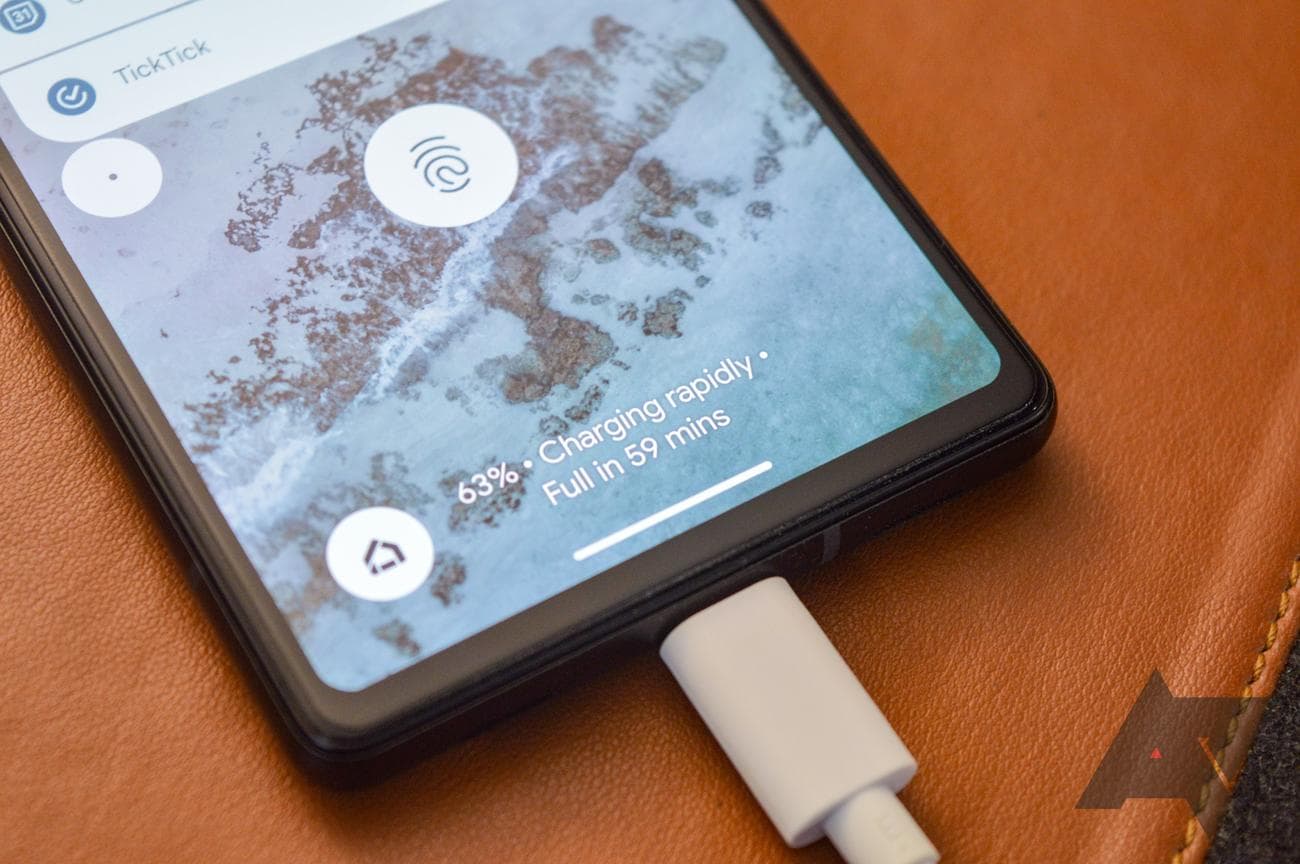
Both support Wi-Fi 6, Bluetooth 5.2, USB Type-C, and NFC connectivity. The Pixel 6a also supports eSIM, which is missing from the Phone 1. Regarding 5G connectivity, Google’s offering has a major edge as it supports more 5G bands. Additionally, you can buy a mmWave 5G compatible model from Verizon in the US.
But here’s the rub for anybody interested in cutting-edge network speeds: the Nothing Phone 1 technically supports Sub 6GHz 5G, but it’s not certified to work on any US carrier. Your mileage may vary, and you may get limited support, but we don’t recommend using Phone 1 as your daily driver if you live in the US. It simply won’t be able to communicate over all the 5G bands used in the States. Ultimately, you’re better off checking out our choices for the best 5G phones to get the best connectivity.
Which is worth your money?
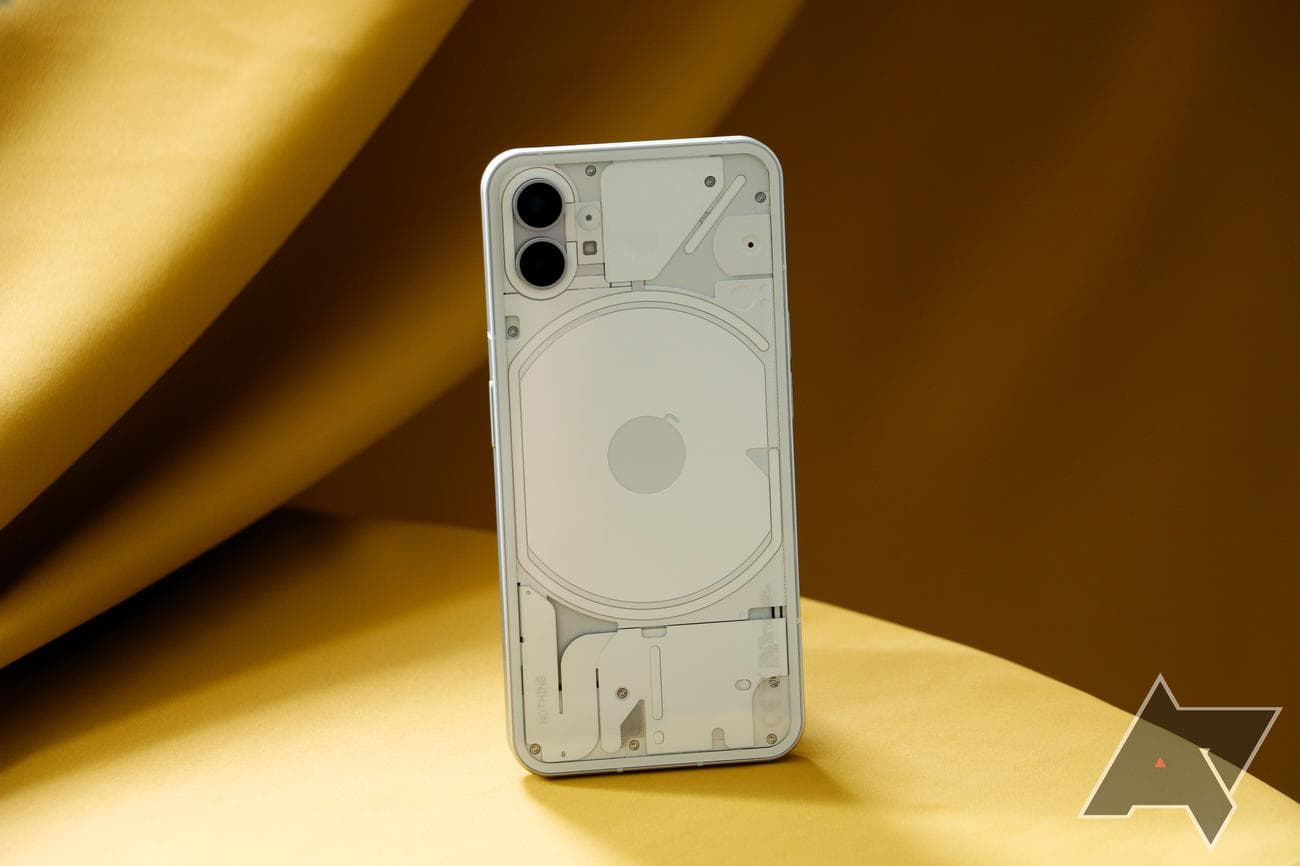
We love the idea of the Nothing Phone 1. It’s an ambitious newcomer to the midrange smartphone space and makes some outright impressive design choices that look and feel great. It’s not packed with bloatware and delivers a perfectly fine Android experience. When it was still $50 less than the Google Pixel 6a, we might have given it a more glowing endorsement over Google’s midrange model.
But unless you’re into fast charging with wireless capabilities or absolutely demand a 120Hz refresh rate, the Nothing Phone 1 offers few advantages. Google’s Pixel 6a remains at the top of our list of the best budget Android phones (even over the newer Pixel 7a) for good reason. Unless you prefer form over function, get the Pixel 6a, even though the Nothing Phone 1 looks much cooler. And once you get it, don’t forget to customize it and take advantage of our favorite Pixel 6a tips and tricks.
Source: Google
Google Pixel 6a
Best value
The top budget smartphone of 2023
A streamlined operating system, powerful hardware, and impressive, cutting-edge features make the Google Pixel 6a one heck of a phone at its current low price.
If you’re not urgently in the market for a new phone and you don’t want to settle on a Pixel, there is one last option to consider. Patient smartphone users might consider waiting for the Nothing Phone 2, which will hit the market as early as July 11. We don’t know if it will or won’t beat Google’s affordable lineup, but anything’s possible with Nothing’s ambitious aims.
Nothing Phone 1
Runner up
It’s only an iterative upgrade to the Pixel 6a, but it does boast noticeably enhanced features, more future-proofed hardware, and an additional year of software support. If you’re cool with the price difference, it’s hard to pass up.