

How to start your journey to save Erden
Related Posts
Evertale is ZigZaGame’s ultimate collection-based RPG, where you’ll gather a team filled with wild Pokémon-like monsters and anime-inspired characters to save Erden. It’s considered one of the best Pokémon-like games to play on mobile, and you won’t need a high-grade Android phone to access the game’s latest update.
Unfortunately, not all newborn heroes can wander into Erden blindly; the game’s difficulty increases rapidly throughout the campaign, having every choice impact your account. That is why we’ve compiled a starter’s guide to point you in the right direction, covering the game’s fundamentals, including the battle system and where to begin when building your ultimate dream team.
Battle system: Ins and outs
You can have up to eight units in your battle lineup. You have a frontline and a backline; the frontline is your first starting four members listed in your party, whereas the backline is your reserves. When a forward unit is knocked down to zero health, a reserve automatically jumps to the frontline to take its place.
Note
: You are not required to have eight units, but it is highly recommended.
Primary battle commands
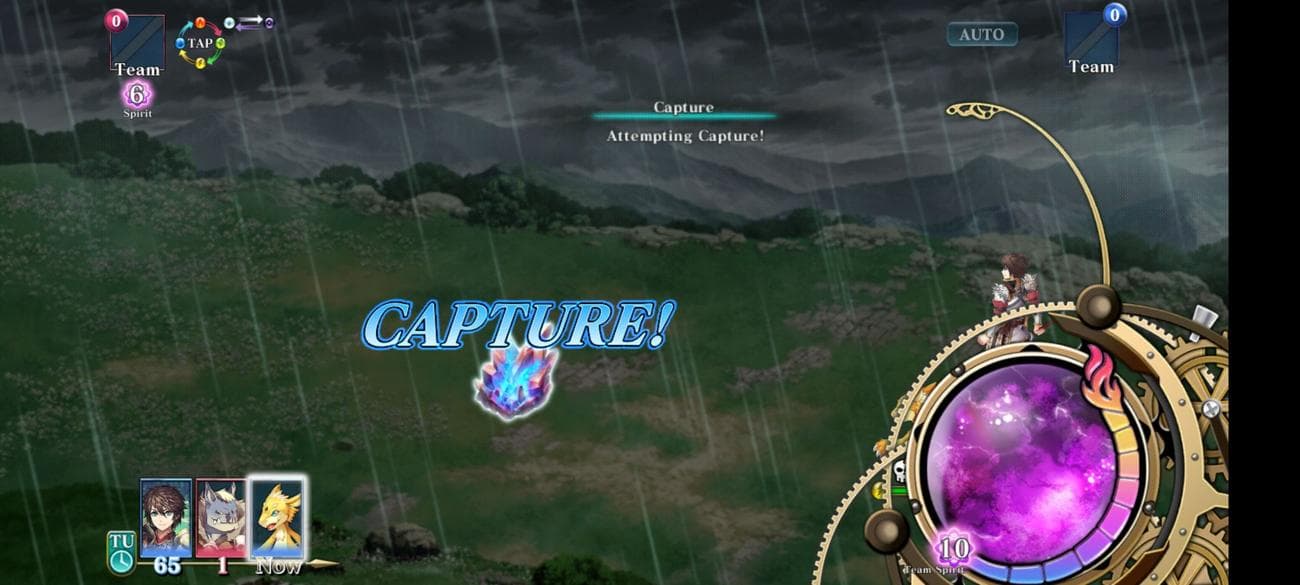
You can perform three commands in battle: catch, pass, and skill. Capturing monsters uses the catch command and the probability for procurement increases by knocking the monsters down to lower health — similar to catching a wild Pokémon.
The pass command lets you skip your turn. Sometimes you’ll want to bank on your units to unleash a devastating attack sooner rather than later.
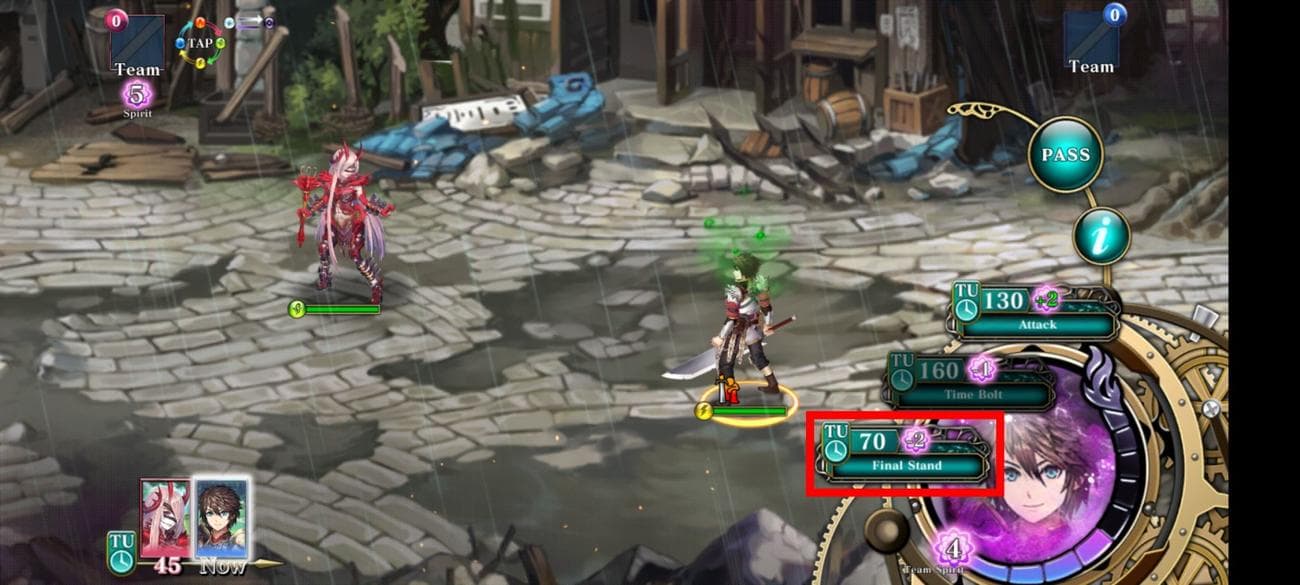
Using a skill comes with an associated cost that affects your unit’s turn order and spirit points. Your units will have unique skills tied to their element. You’re encouraged to experiment with your units until you’ve formed a synergistic squad.
How turns work
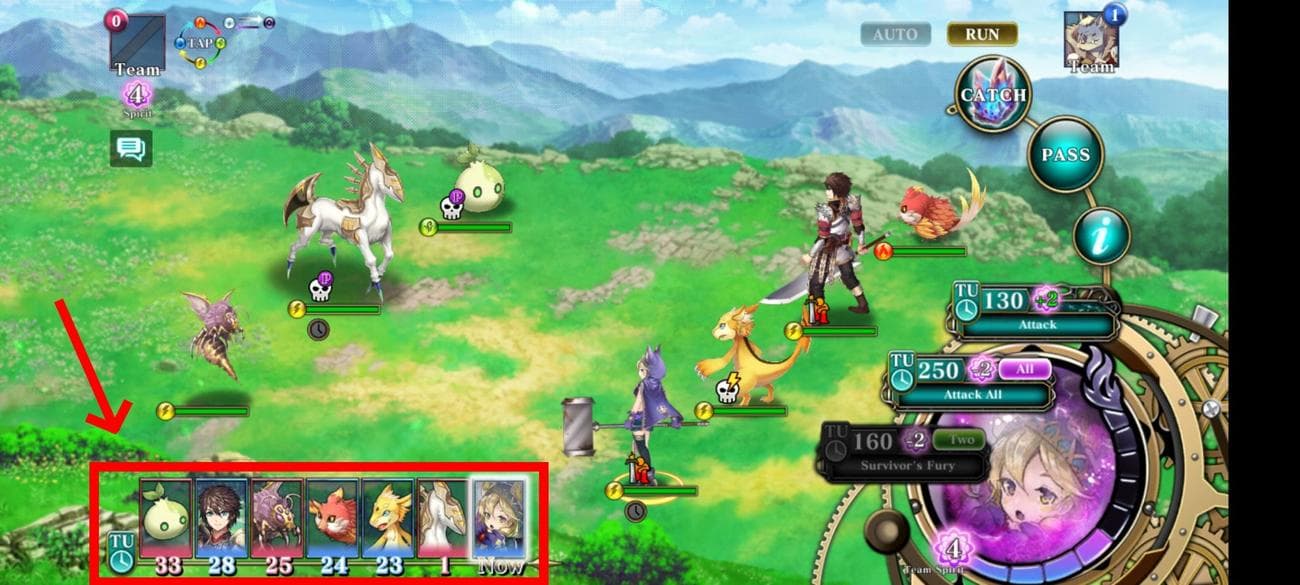
Battles rely heavily on turn-based mechanics. Your battle unit’s turn order will depend on the actions you take. Every skill has a turn order cost. The higher the turn order cost for using that skill, the longer it takes for your turn to come again. Enemies follow the same mechanic. If you’re not careful, enemies can potentially get a few moves in before you get another turn. Turn order cost is displayed on each skill.
Team spirit
Team spirit exists as a shared point system for all of your units in battle. Every skill includes a spirit point expense or an amount gained. Negative points mean it’ll cost your team spirit to use those skills, and positive numbers will add to your team’s spirit gauge.
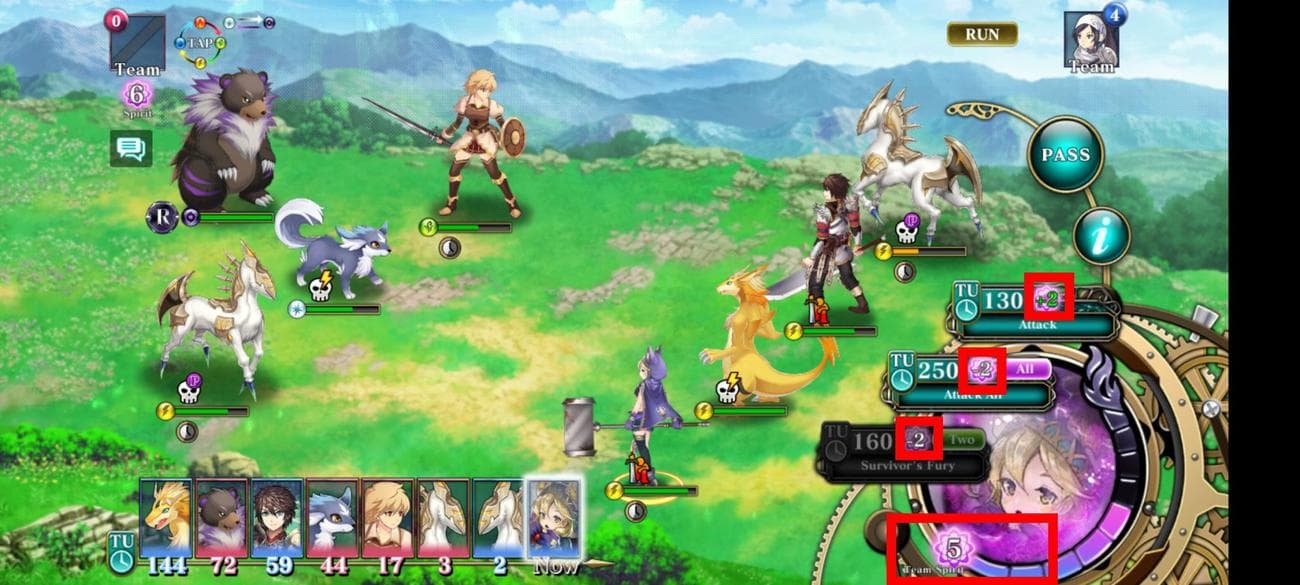
Due to the team spirit mechanic, units can’t spam their best attacks on every turn. You’ll have to be decisive on which units to prioritize when unleashing their best moves. This means your general strategy plays an important role.
Managing your story squad
Preferred weapon types and elemental affinities classify your unit’s skills. Evertale, like Pokémon, uses a rock-paper-scissors system to determine a unit’s performance in battle. Each element’s strengths and weaknesses are summarized below:
-
Fire
: Effective against wind, weak against water. -
Water
: Effective against fire, weak against storm. -
Storm
: Effective against water, weak against wind. -
Wind
: Effective against storm, weak against fire. -
Light
: Effective against dark, neutral to all other elements. -
Dark
: Effective against light, neutral to all other elements.
Overall, you’ll want to build your squad so that it offers the best coverage against multiple elements. You can find each unit’s elemental affinity on the status screen.
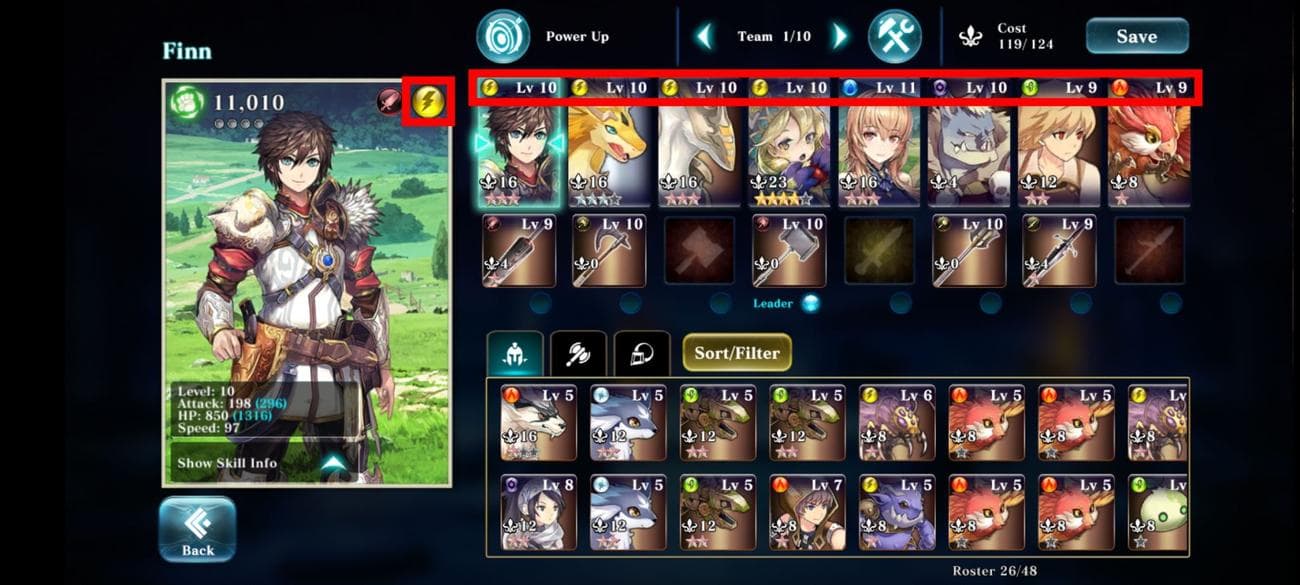
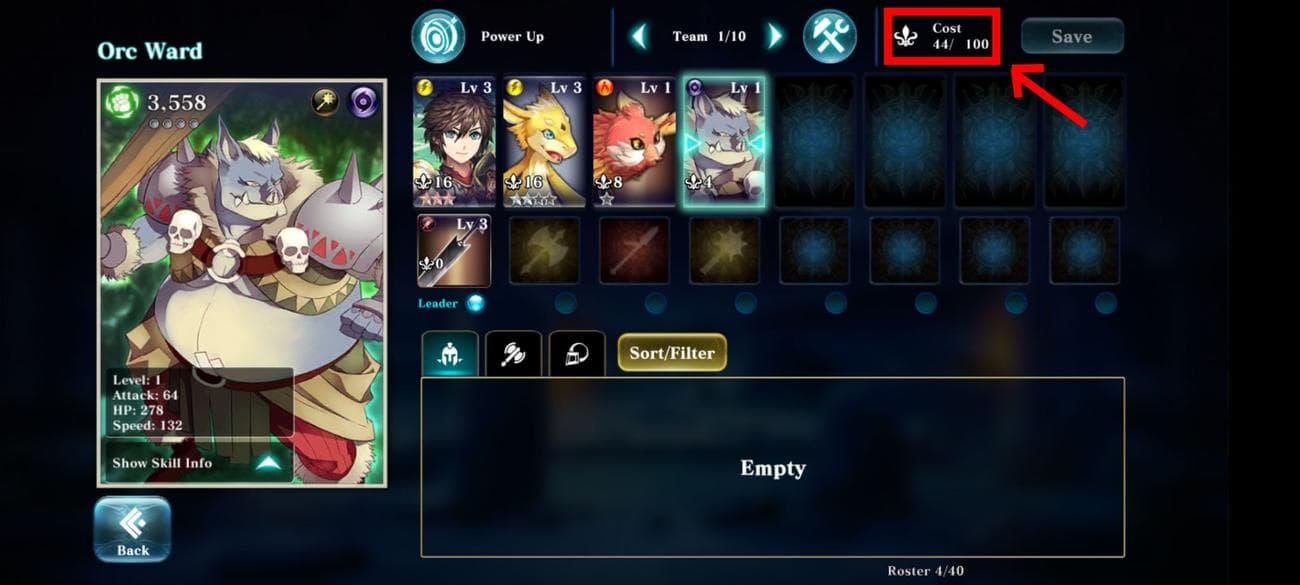
Unfortunately, you can’t stack your squad with the game’s best monsters and characters. A cost system prohibits this from occurring to incentivize you to keep up with ranking up your entire battalion. Every unit has a set cost when placing them on a team, and this cost can grow higher when equipping certain weapons and armor.
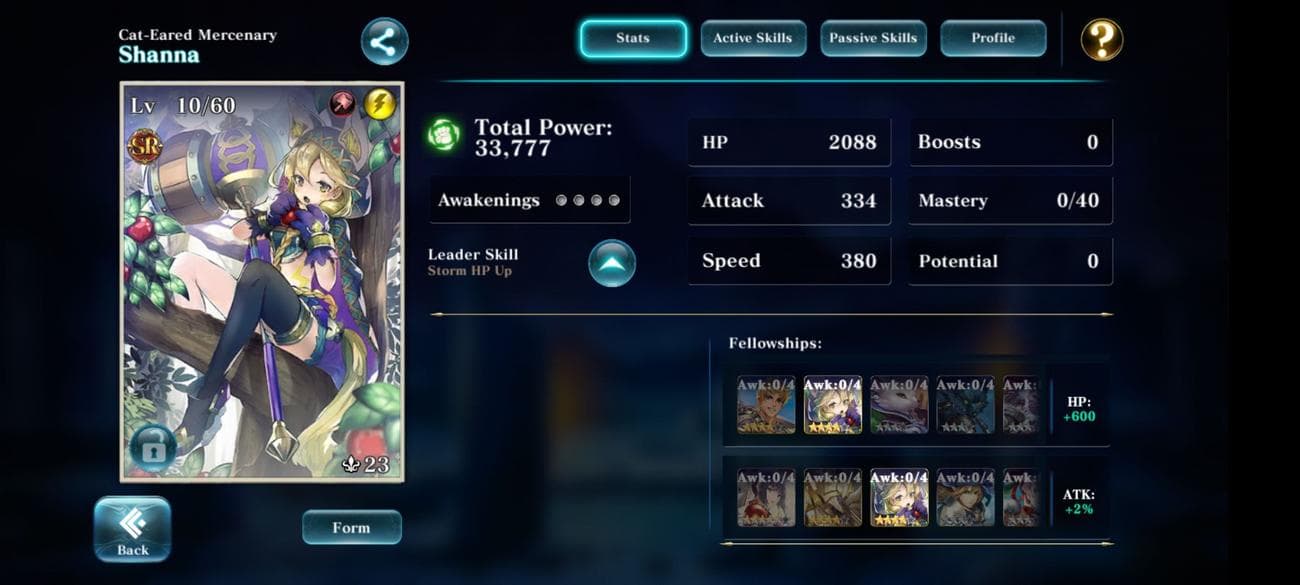
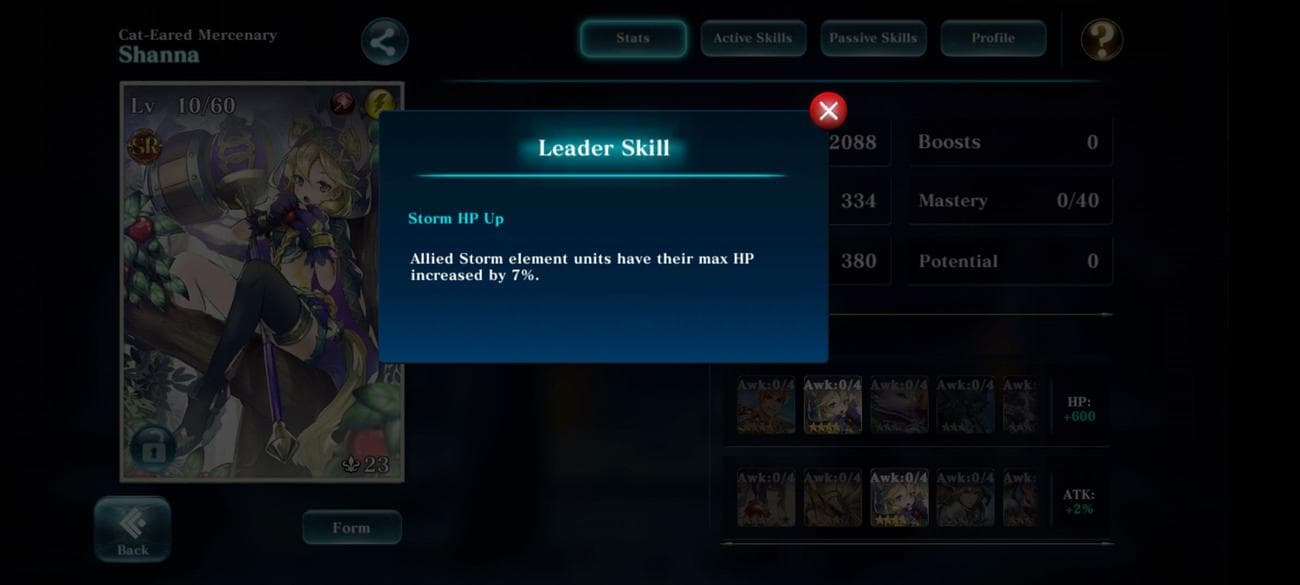
Every newly-formed battalion squad requires a leader. You can appoint any unit as the leader, but not all units are created equal since few contain the leader skill passive. Always play around with which units synergize to get the most out of your leader’s skill passive bonus.
Status effects
Learning to harness status effects to your advantage can turn the tides in your favor during battles. It’s also true when status effects work against you, they can quickly snowball towards your downfall. To ensure you’re making the best use of status effects while understanding how to cleanse them, breaking down what they mean is essential.
-
Burn
: A status that ignores damage reduction and causes damage that equals 0.1% of the burned-inflicted unit’s max health per TU. The timer is at 300TU or whenever the unit is no longer present. It’s not possible to refresh the applied status’ duration. -
Poison
: A status that ignores damage reduction, and the damage calculates to 0.25% of the caster’s attack. The poison damage tick will occur every TU (unit’s associated turn order). Super poison (more potent version) raises to 1% of the caster’s attack. Poison levels are overwritten, and damage per TU won’t stack. -
Quicken
: TU cost gets reduced (up to 20%) when quicken is applied. It allows units to act faster in battle. Quicken cannot be stacked and overwritten by other statuses; this is a buff effect. -
Sleep
: A negative status effect that renders a unit incapable of acting while sleep is in effect. Slept units will wake up from an attack, a status effect, or when 200TU has passed. Units sleeping will skip their turn and gain 100TU for each missed turn. You cannot reapply sleep to a sleeping unit. -
Stealth
: A status applied to a unit enabling skills with Stealth Strike; Stealth Strike allows 400% dealt to any units ignoring damage reduction and triggered passives (revenge and skins). Other statuses can overwrite the stealth status.
Forming teams while combining leader passives around status effects and buffs can be a great strategy to help win against bosses and PvP content, so keep an eye on your units’ skills to see how well they can fit your team.
Equipping weapons and the cost system
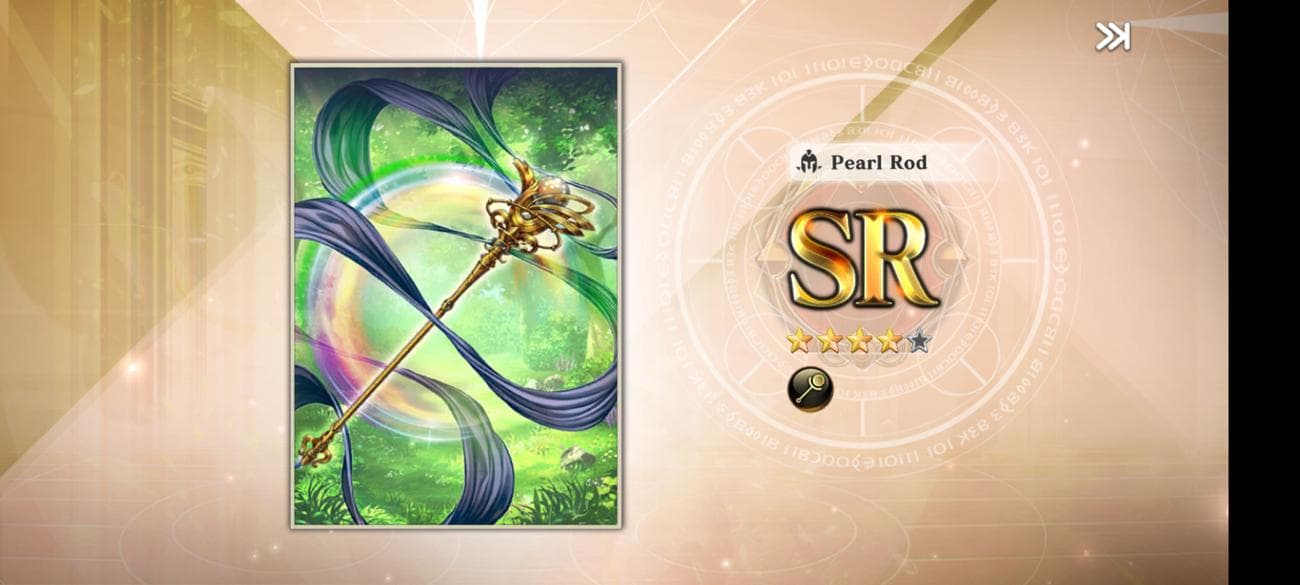
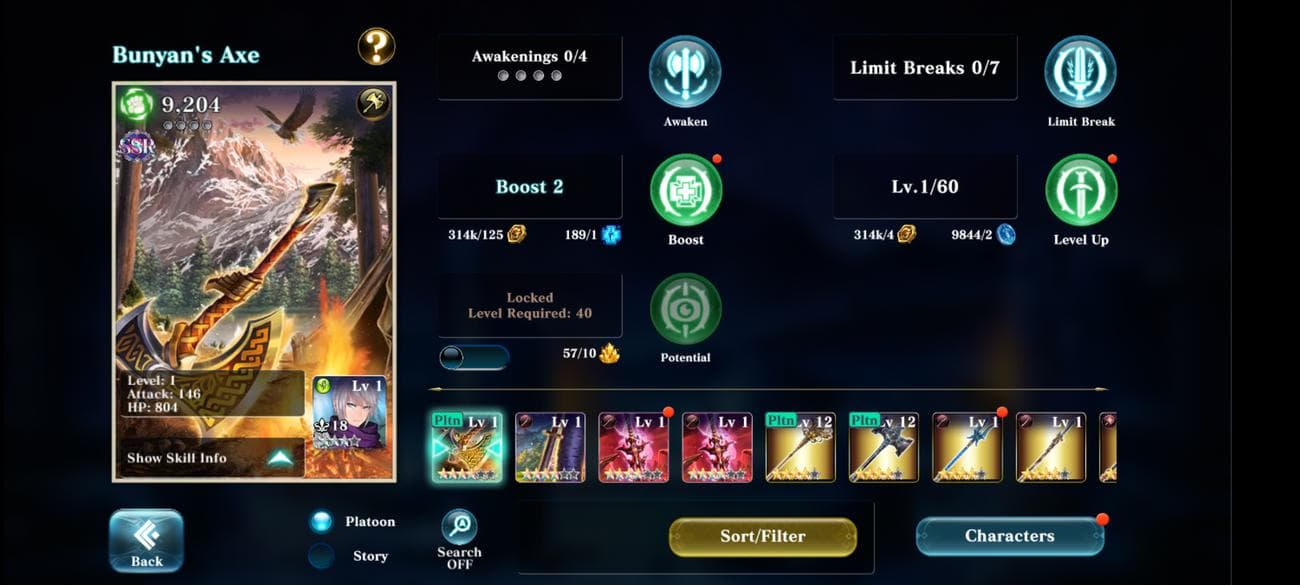
Recruiting powerful allies is just as important as upgrading your weapons. Upgrading weapons works similarly to upgrading your units; they contain skill sets while contributing to your team’s cost system. Unfortunately, this implies that equipping higher rarity weapons may cost a unit’s slot or two, leading to limited choices on building your squad in the early game.
More team members versus geared team members
Due to the team cost system limitations, you must decide between managing a well-equipped smaller team versus a larger group where you can only gear some characters, or everyone is weakly geared (with low rarity).
Once you’ve progressed through the game, the issue becomes rectified as your capacity level increases. We advise you to stick to having at least six party members and only equipping your best units. Just like Pokémon, element coverage is essential in battle. Once you’ve raised your capacity level and become comfortable with the game’s mechanics, you should fully invest in your team’s hypercarry, the most powerful unit that carries your damage.
Developing team strategy in Evertale
You have a roster of 8 members, and you want to consider team synergy and how to combine their strengths and weaknesses. Think of creating teams like you’re building a deck of cards and promoting a playstyle within that chosen team/deck.
-
Poison teams:
Focused around poison and poison-eaters, having a dark unit like Endless Rizette to lead the pack adds a lot of power for the dark element and poison. -
Spirit teams
: A wholly defensive team containing light elements; you’ll use these types of teams if you anticipate dark teams and teams dependent on inflicting status effects. The best spirit-based teams should cleanse negative status effects while buffing their capabilities. Jeanne d’Arc (light) and light Ludmilla (one of the best tanks) are excellent additions to light-based teams. -
Burn teams
: Burn teams work similarly to poison-based teams, where inflicting the status can rack up a unit’s power and add utility to a fight. However, burn teams have declined a bit in favor of poison-based teams around the dark element since dark doesn’t have many glaring weaknesses, but for anyone looking to build one, you want to pick up Elmina (fire), as she has solid stats and can revive. -
Stun teams:
The best defense is also a good offense. Stun doesn’t rely on raw power alone; utilizing stun mechanics to inflict the stun status on your opponents means you’re always buying time by hindering and stopping the enemy before they can make too many moves on your team. Again, it’s helpful to bring in a tank unit like Norza and a DPS like Ossia to begin forming your core.
Collecting monsters/characters
Catching and evolving your monster pals
Unlike Pokémon, you have unlimited tries to catch a monster before running away. However, you should still aim to increase your chance for success by knocking down three-quarters of the monster’s health before tapping on the capture command.
Tip
: To encounter unique monsters, always approach the shaking grass.
Your monsters can evolve into stronger monsters but require farming experience points, which are acquired through battling.


Navigating the gacha system
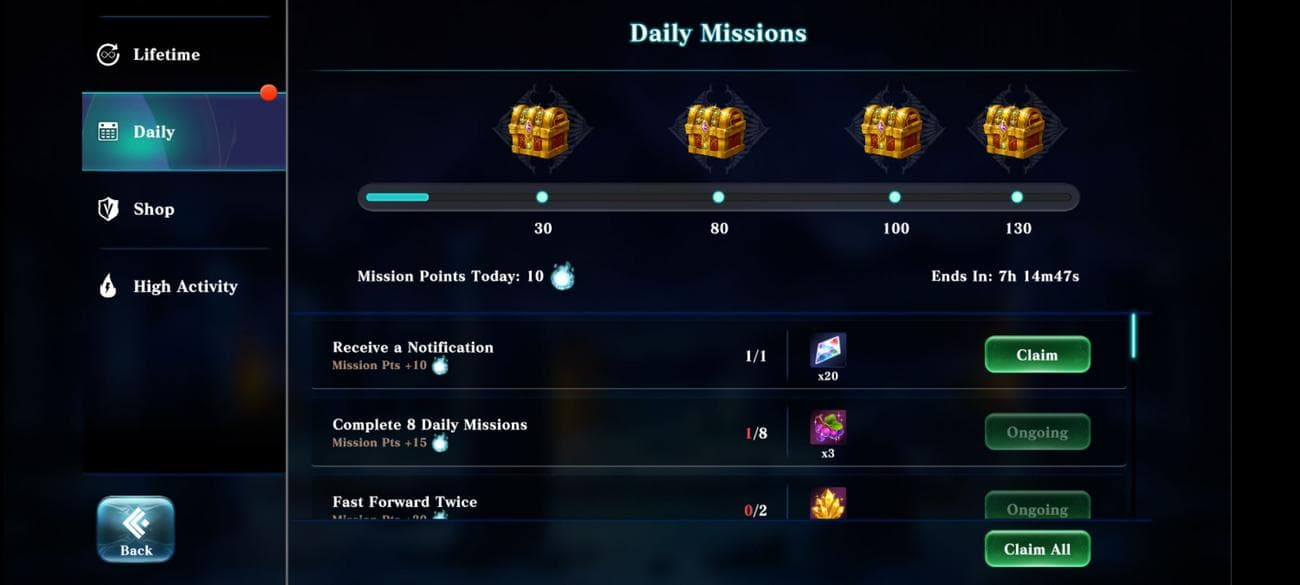
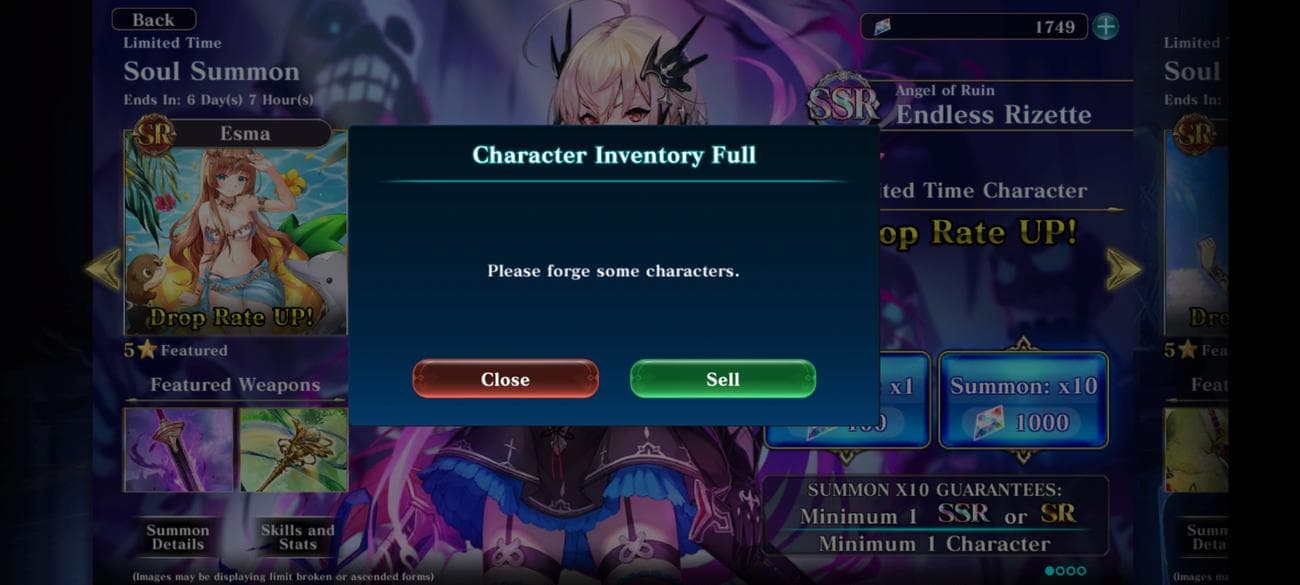
If you’re looking to acquire new characters, hold onto your Soul Stones (premium currency). Soul Stone lets you summon on a banner (rate ups on featured characters) of your choice. Banners are separated into limited-time-only characters and permanent character pools. Be aware that some banners require paid Soul Stones for summoning.
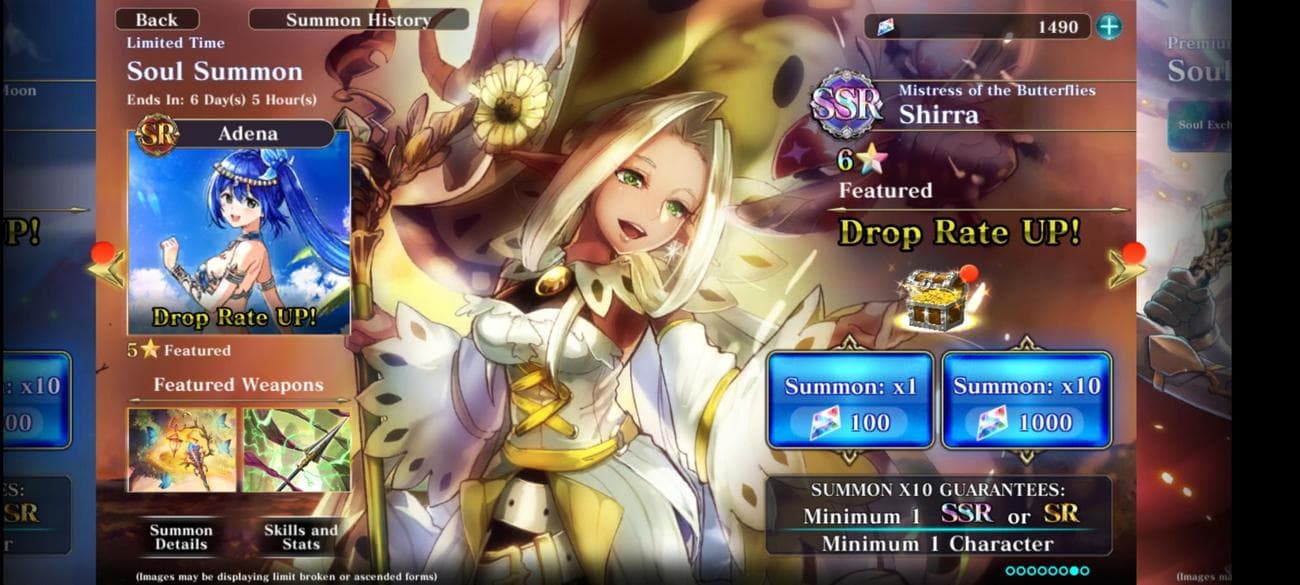
You should always summon with 1000 Soul Stones at a time to guarantee an SR unit. SR units are potent but less potent than SSR units. Adding any SR unit to your team will strengthen your account, so it’s recommended to summon in bulk.
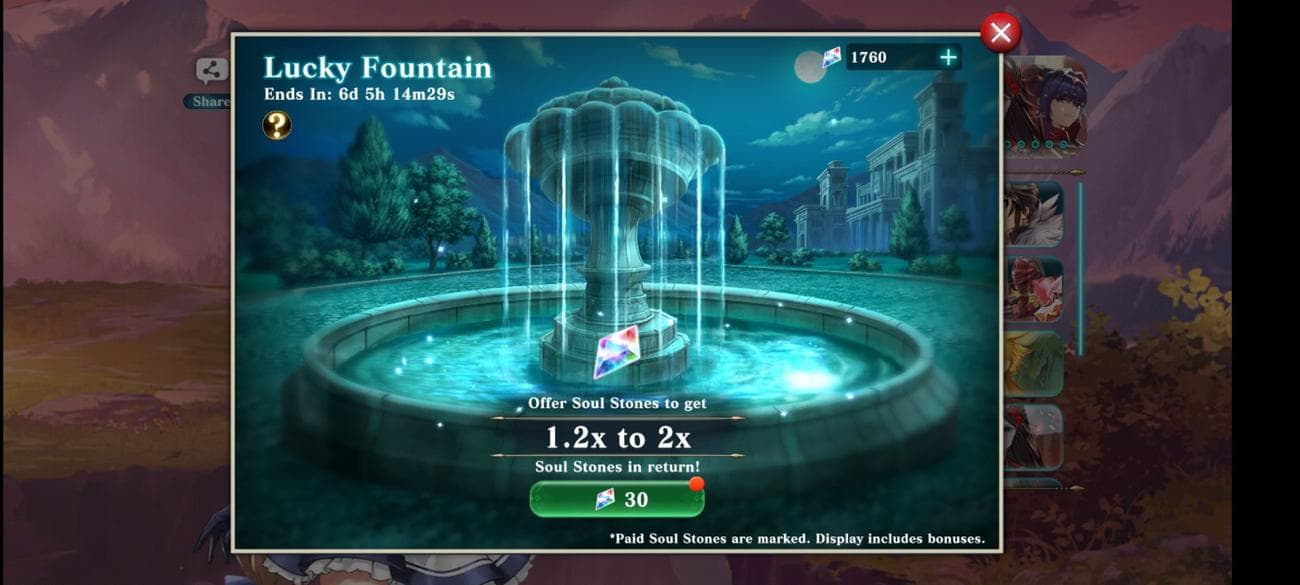
Obtaining more Soul Stones will require an investment and a lot of patience. Save up to 30,000 Soul Stones and use them at the Lucky Fountain to gain more. Grinding your daily missions and story quests will also net you more.
Pity system for limited banners in Evertale
You are guaranteed a featured SSR weapon every 500 summons, which equates to 50 summons with pulls of 10. Every 10-pull will contain an SR, SSR weapon, or character, but not guaranteed to be the rate up/featured character/weapon.
The catch is that pity does not carry over to the next limited banner, losing progress on the gacha banners altogether. So, for example, summoning on a rate-up banner up to 49 times with 10-pulls will reset the pity count on the following banner back to 0, even if it has the same featured character. You need at least 50,000 Soul Stones within that banner cycle to guarantee a featured SSR character.
To beat the system, you must save up and select your banner carefully; otherwise, you waste a lot of resources (unless lucky).
Managing duplicates
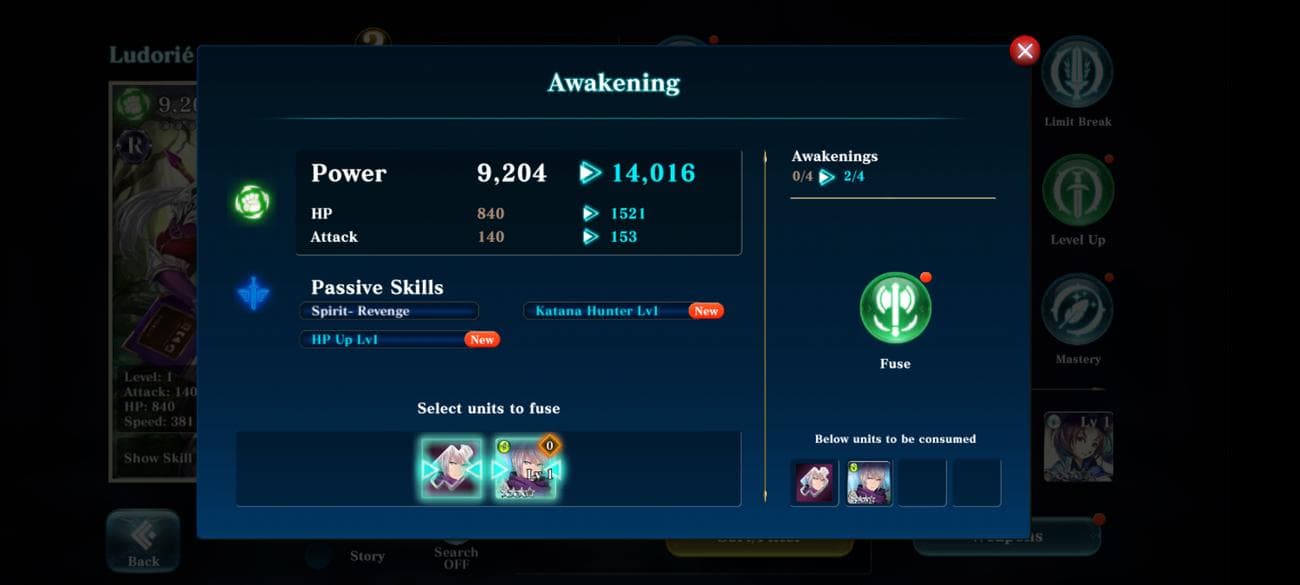
Too many sources quickly build up copies of monsters, characters, and weapons. Essentially, you’ll cap out, unable to acquire more, leaving you with two options: forging and power-ups. Forging converts characters and monsters into craftable materials, whereas power-ups strengthen your selected unit.
Duplicates are needed when you awaken the same unit. To begin the awakening process, navigate to the power-ups menu. Awakened units see gains in base stats for power, health, and attack, and on their passives. Thankfully, it doesn’t matter which option you select since forging will automatically convert your extra copies into shards.
Unit’s stats and how it affects your power level
Sometimes choosing characters and monsters that make it on your team comes down to their starting stats after you’ve considered elements and passives. Units have different stats and overall power levels. The stats determine their raw output and are amplified by their equipment.
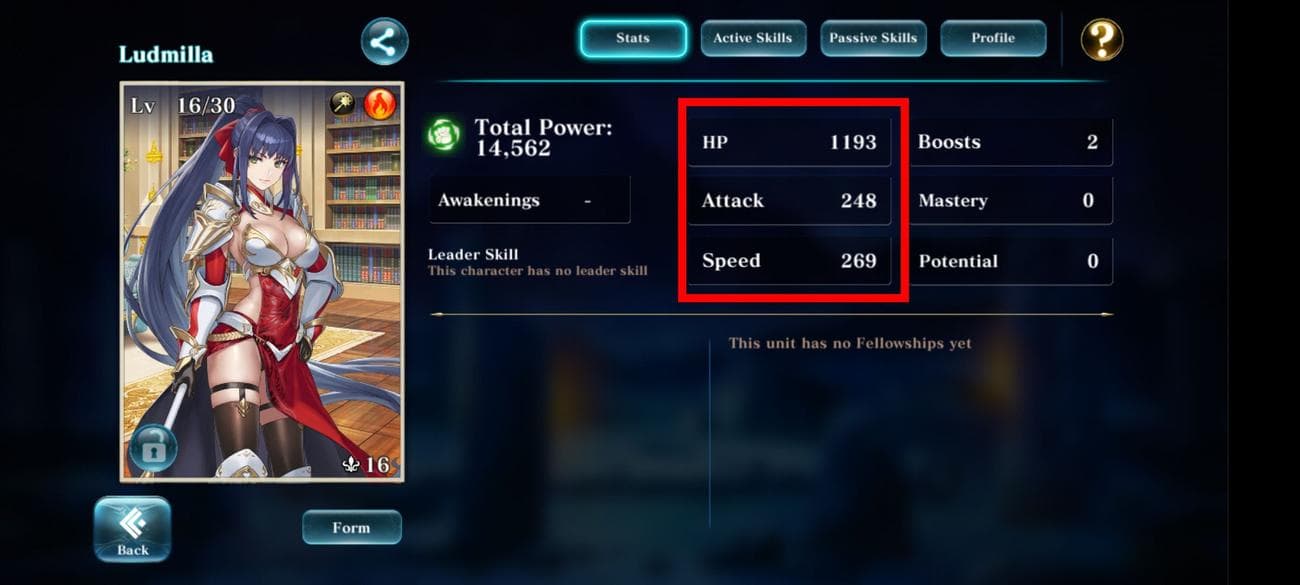
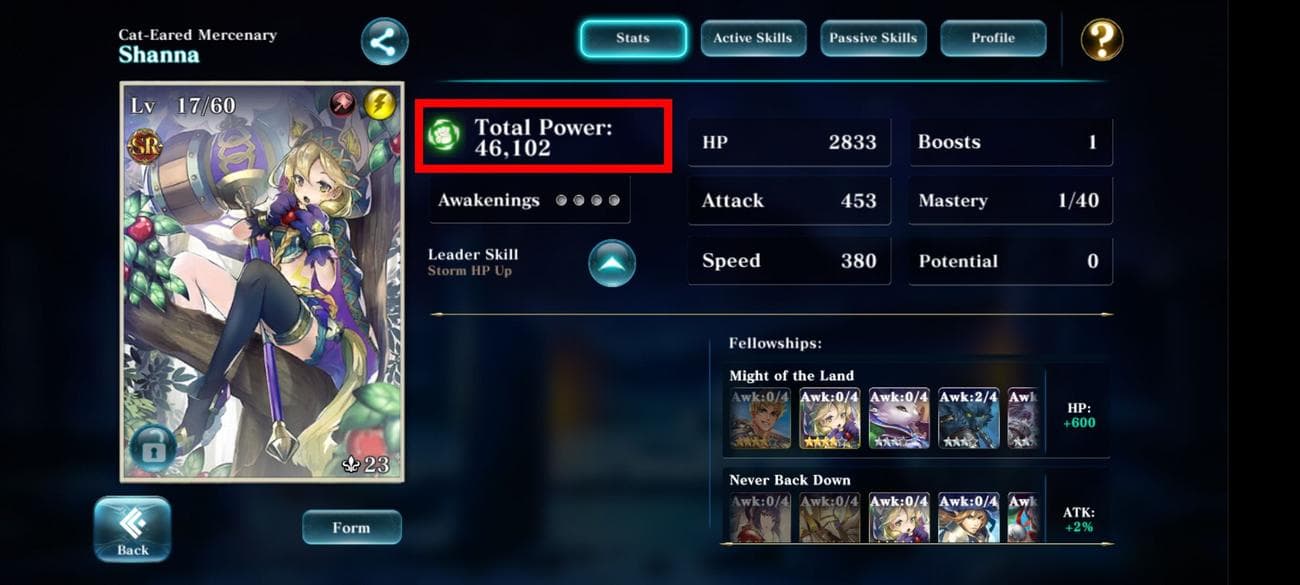
Higher attack means they deal more damage, higher base HP means they could potentially be a solid tank, and higher speed refers to how much initial TU they have and how soon that unit will get its turn. So you want to make sure you have a potential tank, speedy characters for supportive DPS and buffers, and your damage dealers have high attack.
Optimization practices
It’s a theme in gacha-based titles where you’ll have to juggle the many systems thrown your way, and if you don’t know what you’re doing from the start, you could very well be punished when you’re approaching the end game. We’ve included a brief list to summarize a few tips and tricks to help your overall account growth.
- Work through the offline story, and then focus on events. Events are not beginner-friendly and will cost mana.
- Save your Soul Stones (30,000) before dumping them in the gacha banners, and visit Lucky Fountain to multiply the value. Lucky Fountain is found through events that occur a few times a month!
- Upgrade your SSR units, and avoid using too many resources on your SR units.
- If you’re pulling for meta, select your first SSR carefully; one that can carry through different content, such as Endless Rizette (dark) and Jeanne D’Arc (light and dark).
- Don’t depend on the AI in autoplay; stick to manual play when possible.
- Focus on leveling one character and weapon at a time, starting with your SSR carry.
- Clear side stories to earn exp up materials.
- Join an Alliance and add friends to use your Friends Points.
- Complete High Activity milestones.
- Finish your daily missions and work on achievements.
Gotta catch ’em all’ to be the hero
Evertale is a story-focused gacha game that motivates you to build the most powerful team to overcome all the challenging content. It places you on a hero’s pilgrimage to become stronger, teaching you how to make informed choices on which allies you’ll recruit while learning the dark truth behind Erden. And if all those elements hit the right notes and you’re up for handling this type of experience, check out Evertale below.
