Android apps: Install these on your new smartphone
Just got a new Android smartphone for the holidays? If it’s your first one it could be a little intimidating so, to get you started, here are a few apps you should immediately install or set up on a new Android device. Alternatively, if you’re not already using these apps, it might be time to give them a shot!
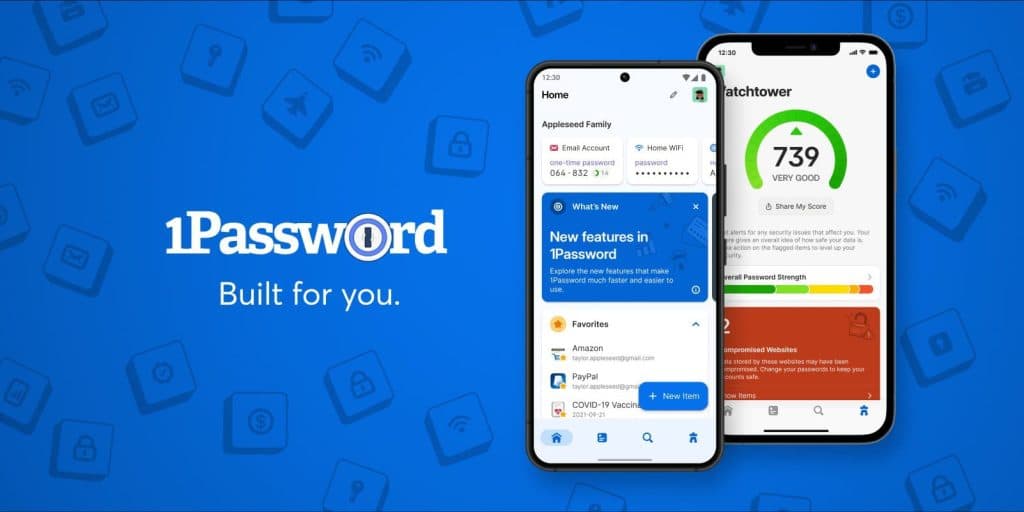
We all have a ton of online accounts, and the best way to both manage and protect that data is with a password manager. Password managers usually work by encrypting your data behind a “Master Password” or some other means, while allowing you to organize that data by the site it works with or in folders.
Getting a password manager is one of the most important, but also one of the easiest ways to enhance your online security.
One of our favorite password managers is
1Password
, with affordable pricing, excellent security that uses both a master password and a “Secret Key,” and an easy-to-use app.
DashLane
works similarly, but also has an option to automatically change your passwords for you and
some
free functionality too. If you really need a completely free option, though,
Bitwarden
is a great option.
ProtonPass is a new option
that also integrates with ProtonMail, a
secure
email client. It also includes a neat feature where you can create email address aliases to avoid spam. The password manager itself is free, but some of the features require a subscription.
The only password manager we currently
don’t
actively recommend is
LastPass
. While it has a solid free tier, the company has had several notable security breaches, including one just recently
where password vaults from customers were stolen
. It’s still better than nothing, but the free tier is not worth the hassle anymore.
In the US at least, messaging has traditionally been a sore point of
Android smartphones
. Thankfully, Google has been hard at work trying to fix that in recent months and now, the solution known as RCS (Rich Communication Services) is available to every Android smartphone in the world at this point.
How can you get RCS on your device and, more importantly, what’s the benefit? The benefit, firstly, is that RCS is much more capable than SMS/MMS. Pictures can be sent in higher quality, typing indicators, and more all arrive with RCS. Group chats also get a huge upgrade too. On top of that, RCS chats are now encrypted to offer better security.
Basically, RCS is like Apple’s iMessage, but for Android phones. And, soon, Apple will be bringing RCS to the iPhone, which will improve media sharing, features, and probably group chats too. The
green bubble won’t be gone
, but it’ll be way better than it is today.
To get RCS on your Android phone, all you need to do is
download Google Messages
.
The free app is an SMS app at heart, but it can also enable RCS messaging on any carrier and any Android smartphone too. Simply download, set it as your default SMS app, and wait for the prompt to turn on RCS. We’ve got a more detailed tutorial on the process as well, and some tips and tricks on the best features you should turn on. RCS via Google Messages is end-to-end encrypted for both 1-on-1 messages and group chats.
If you want an app for even better messaging, you can go beyond the RCS and typical SMS,
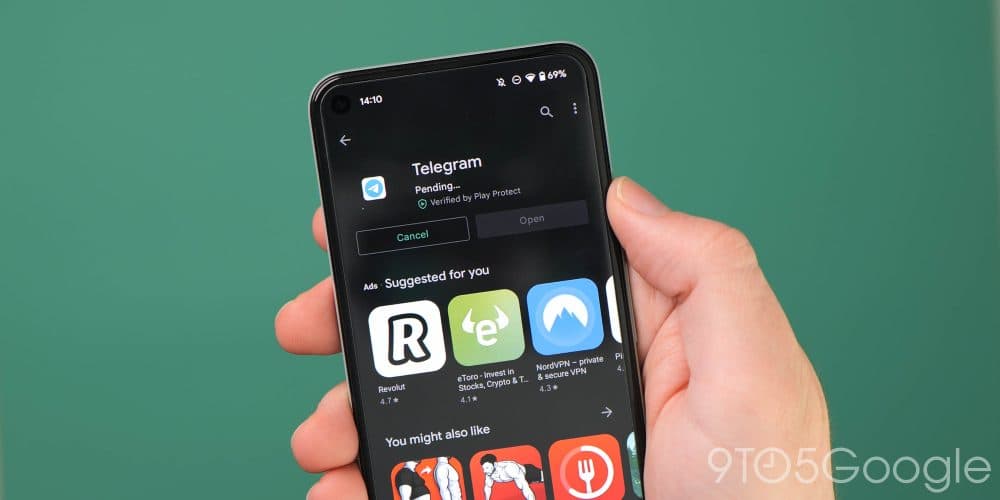
Telegram
is one of our favorite messaging apps and it works a lot like the super popular WhatsApp. Unlike that app, though, Telegram works easily on multiple smartphones or tablets at one time and backs up all of your messages automatically. Plus, everything is still encrypted and you have both voice and video calls available.The app is always getting better through updates and has improved its messaging experience greatly alongside adding a more robust video call app too.
Discord
is another great messaging alternative, offering private messages as well as “servers” to host a few friends or hundreds, all with rooms and chat admins. It’s a great experience, and one that’s especially excellent for gamers.
Meanwhile,
Signal
is an even more privacy-focused messaging app that became especially popular when Meta-owned WhatsApp was under fire for new privacy policies. Of course, we’d be remiss if we didn’t mention the popularity of
WhatsApp
and
Facebook Messenger
both globally and in the US. While many are uncomfortable with Meta, these apps are still far better than the usual SMS you’d otherwise be using. Facebook Messenger even now defaults to end-to-end encryption, which is a big deal!
Video calling is a great way to keep up with friends and family beyond just texts and audio calls, and there are some great services to do it.
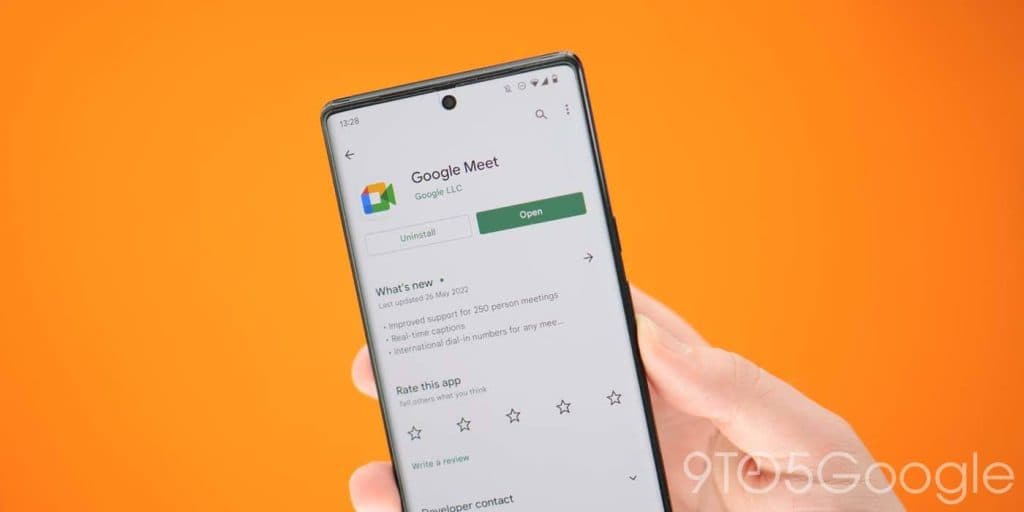
Google Duo was always one of the best video calling apps on Android, but in 2022, Google consolidated some of its services which saw Google Duo fall under the Google Meet brand. Previously aimed just at business matters, Google Meet has a free experience that works a lot like Duo did. The change has been relatively seamless, but it’s worth knowing that Meet is your new home for video calls on Android.
Using Google Meet for calling friends and family is completely free, and it works across a ton of devices. Android phones and tablets. Chromebooks. Windows and macOS. It even works on iOS!
Think of it as Apple’s Facetime, but not locked down to one ecosystem.
The app works with your email address and features fun filters and even screen sharing on some devices. Its best feature though, might just be how well it works on less-than-ideal connections.
One of the most popular video calling/conferencing tools during the pandemic so far has been
Zoom
. By its popularity alone, this is an app you should
have installed
. The service offers meetings that you can connect to with just a link or a password, easily connecting with loved ones, friends, or using it for business meetings. Many schools are also using Zoom for remote learning. It’s a powerful app, and one that’s not going to cost you anything unless you’re the one hosting, and even then it’s got a free offering.
Other great video calling apps include:
-
Skype
, one of the original video calling apps that still works great especially for friends and family. -
Facebook Messenger
, a service that lots of people in the US currently use and has an excellent video calling option alongside its messaging features.
One of the first things you should install on a new Android smartphone – or an iPhone for that matter –
is
Google Photos
. For the vast majority of Android users, the app will be pre-installed on your device, but you’ll still need to get things set up.
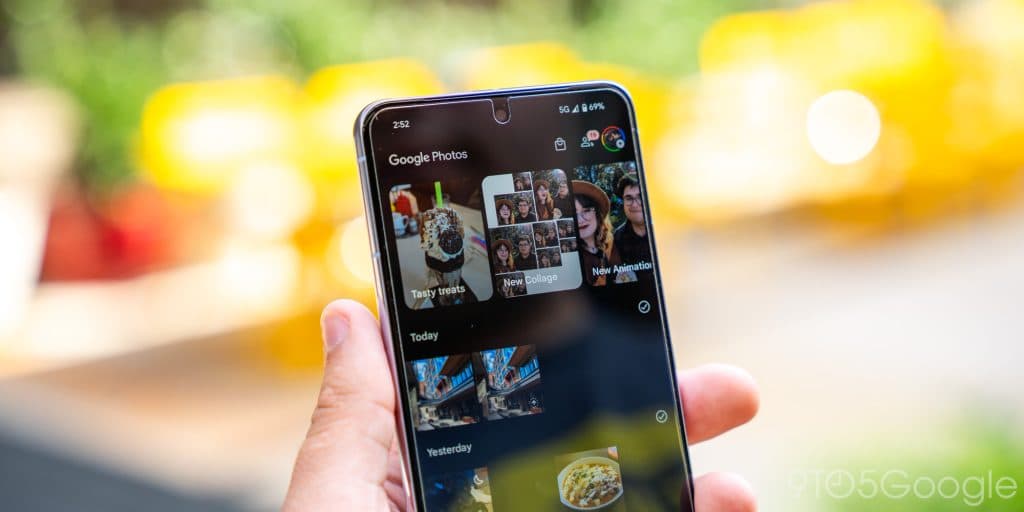
To do that, simply open the app, sign in with your preferred Google account, and decide on backup options. Photos will automatically backup your pictures and videos in the background, but you’ll need to tell it if you want that done over Wi-Fi only or on cellular data as well.
From there, you’ll just need to decide on quality. Google offers full resolution backup as well as a slightly compressed, data-saving option that will lose a bit of quality, but you’ll be hard-pressed to tell the different. Plus, there are some killer features available with a Google One subscription, such as Magic Eraser and a ton of helpful editing features.
In 2021, Google changed its storage policy with Photos, taking away the “free forever” offer that was attractive to so many, and instead pushing customers to use only the 15GB of free storage included with their account, or paid upgrades. You can still get fully unlimited photo storage through a special offer with
T-Mobile
, though.
Outside of Google, there are some other solid options for storing your photos.
Amazon Photos
has one of the best values, with unlimited
photo
storage for Prime customers, while
OneDrive
has affordable rates and a robust setup for both photos and files alike.
The keyboards pre-installed on a lot of today’s most popular Android smartphones are, well, not great. While much of it comes down to personal preference, you can get more features and, in many cases, better functionality out of a different keyboard.
Our top pick?
Google’s own Gboard
. This keyboard has a great layout that’s comfortable for typers of all styles and supports features such as gesture/swipe typing, GIF
search
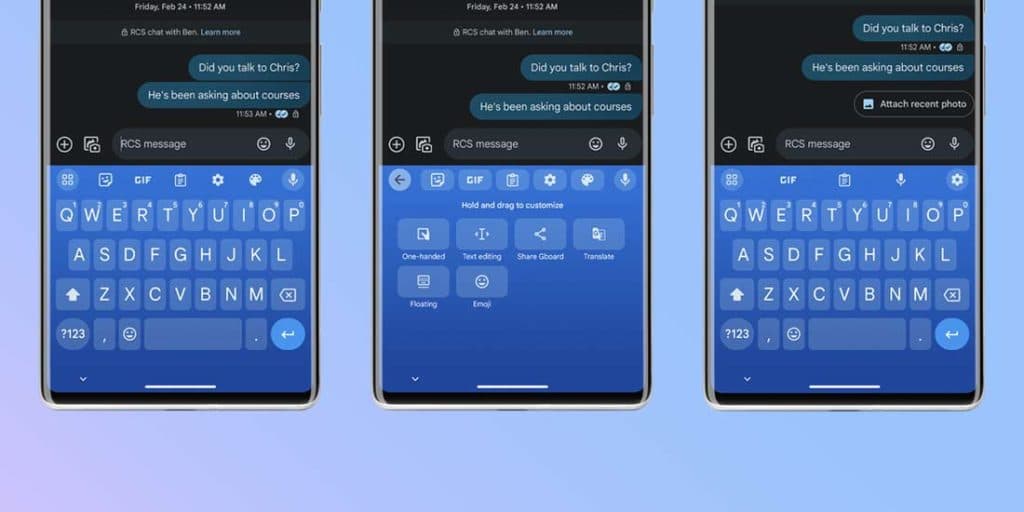
and input, and so much more. There are even unique features such as the “Emoji Kitchen” which can create some wacky emoji stickers on the fly. You can also theme Gboard to your heart’s desire.
There’s also a useful toolbar that you can customize!
Put simply, it’s an excellent keyboard that’s totally free and, if it wasn’t already on your phone (it’s not installed by default on Samsung Galaxy devices, for example), you should totally give it a try.
Check it out on the Play Store
.
If Gboard isn’t quite your style, there’s another great option on the Play Store is
the Microsoft
-owned
SwiftKey
. This keyboard has been one of the most popular Android apps since the platform’s app store existed. Recently acquired by Microsoft, the app offers excellent gesture typing and features the neat trick of learning and adapting to your typing style and your spelling mistakes too. SwiftKey supports over 400 languages and is free. It even supports syncing your clipboard with Windows PCs.
Some other popular Android keyboards include:
-
Grammarly
was popularized as a Chrome extension, but works great on Android too. The Grammarly keyboard for Android goes beyond basic spell check to offer grammar fixes and alternate phrasing to improve how you send texts and emails. -
Fleksy
is designed for speed typing with some excellent auto-correct. The keyboard is also adding support for “glide” typing and supports over 80 languages.
Here’s another app that
should
already be installed on any new Android smartphone. “Find my Device” is a Google app designed to help you keep track of your smartphone should it be misplaced. If the app isn’t installed on your device for some reason,
Find My Device
available
via the Play Store
.
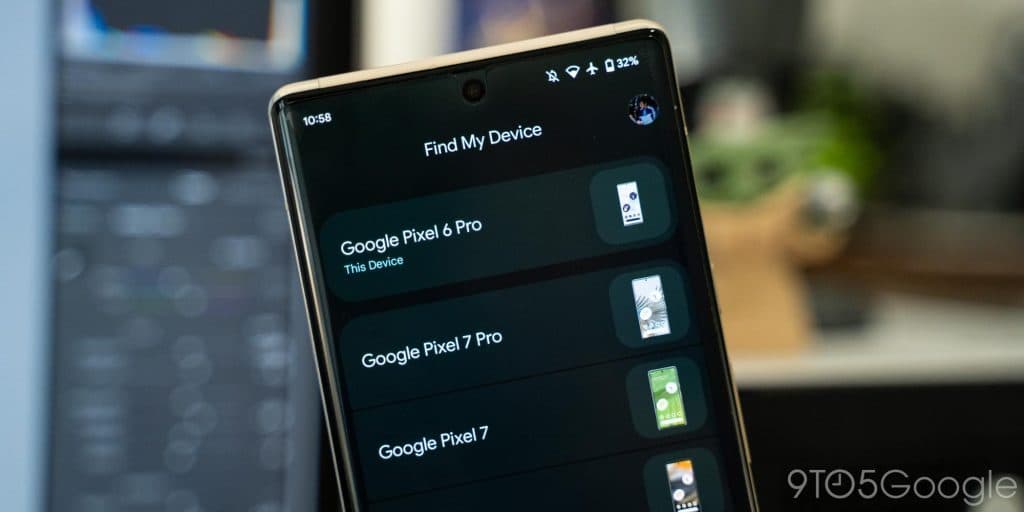
When you open up Find My Device, you’ll be prompted to sign in with a Google account and enter your password as well. Once that’s done, you’ll be able to see your device as well as any others attached to your account. You can then ring, lock, or wipe any device on your account. The same applies for your new phone as well from any other Android device you own, a friend’s Android phone, or
even just a web browser
. As a side note, the core functionality of actually finding your phone with this app is on by default in Google Play Services, but using the app you’ll get a bit more control as well as being able to find your other Android devices through the app as well as helping friends to find their phones.
And, soon, the app will also be able to use a network of millions of Android phones to help you locate lost items using trackers from brands such as Chipolo and Pebblebee.
If you
do
lose or break your phone, you don’t have to lose your data. That’s where
Google One
comes in handy. With any Google One storage plan (starting at just $2/month), you’ll get improved backups of your phone. By default, Android already backs up core data for free to your Google account, but the One app can back up SMS messages and MMS messages along with your photos and videos.
If you’re still handling a lot of your messaging through SMS, it’s good practice to back that up.
SMS Backup & Restore
is a handy little client that can back up your SMS and MMS messages to Google Drive or other cloud storage for safekeeping, but the especially handy part is restoring messages. This can be useful as you set up a new phone, or if you’re planning to make the switch later on.
Mobile NFC payments are super conveinent, and setting them up on Android is easier than ever.
Google Wallet
is a free and quite simple app that lets you add credit/debit cards to your phone for NFC payments, as well as holding your loyalty cards, gift cards, COVID-19 vaccination data, airline passes, and so much more. It’s also working on adding support for driver’s licenses in select US States.
Google Wallet is pre-installed on
most
Android devices, but you might have to manually download it on a Samsung device, for example.
Sending money has gotten a whole lot easier with apps, and there are some excellent choices to do so. Here are a few popular options.
-
Google Pay:
Google’s money-sharing app “GPay” makes it easy to send funds to friends or family with no added fees, and the app also holds hundreds of discounts, cashback options, and can even help you with your budget. -
PayPal:
The classic, PayPal is a great way to send money to your friends and family, but is also super useful for online shopping as well as selling. -
Venmo
&
Cash App:
Both using the same basic model,
Venmo
and
Cash App
are excellent apps for sending money between friends and family with usernames for sharing and easy linking to your bank. Plus, since they’re widely used, most folks are usually going to have at least one of these two.
To help you hit new goals in the new year, as well as up your security, there are two other money-related apps we’d recommend trying out.
Privacy
is a
virtual card service
. After linking it to your bank account, the app can create virtual card numbers that are attached to a single online retailer, or even turn off after a single use. It’s a great way to ensure that some retailer’s security breach doesn’t affect your finances later on. It even integrates with 1Password.
Digit.co
is a money-saving app. It links to your bank account and automatically saves funds here or there to help you establish some emergency savings or a rainy-day fund. You can also set up manual goals to help you put away money for a vacation, special event, or big purchase.
Keeping track of reminders, lists, and more can be made much easier by using a note-taking app. Personally, my favorite note-taking app on Android is
Google Keep
Notes and it’s something that just seems to keep getting better over time.
Google Keep is completely free
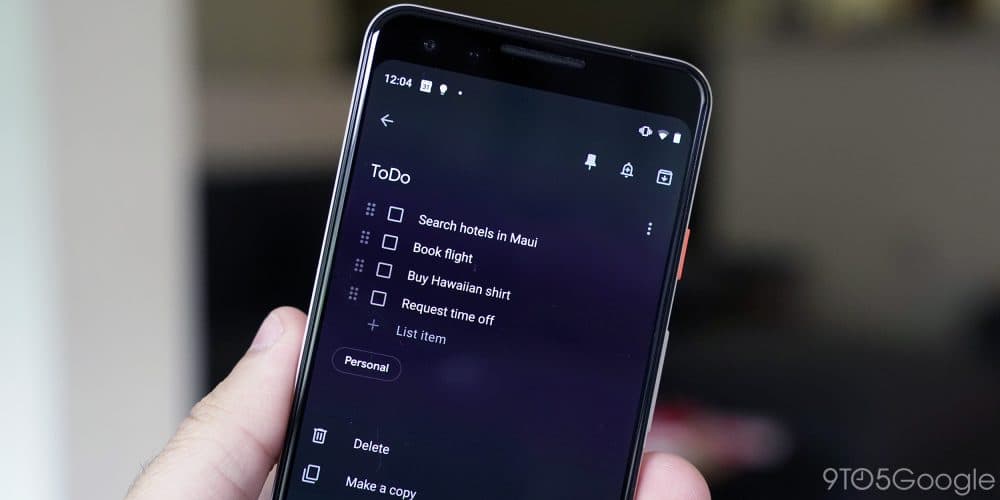
and lets you store notes, lists, and even drawings in the app. Those notes are also synced to your Google account which means you can access them on any other device including computers. With a quick setup, you can even use Google Assistant speakers such as the Nest Mini to manage a shopping list!
If you want something that’s not from Google and has a few more advanced features,
Microsoft OneNote
is an excellent option. The app is completely free, though works better with other Microsoft apps using a Microsoft 365 subscription. You can back up notes, drawings, and insert pictures in the app and, like Google’s app, they’ll sync across devices with your Microsoft account.
If you spend all day at a desk, it can be super conveinent to keep your Android phone connected to your PC. With the
Link to Windows
app, that’s super easy.
After connecting, Link to Windows allows Android users to take phone calls on their PC, use messages, bring their notifications to their computer, and even access of their photos and videos without hooking up any wires. You can even mirror Android apps from your phone up to your computer.
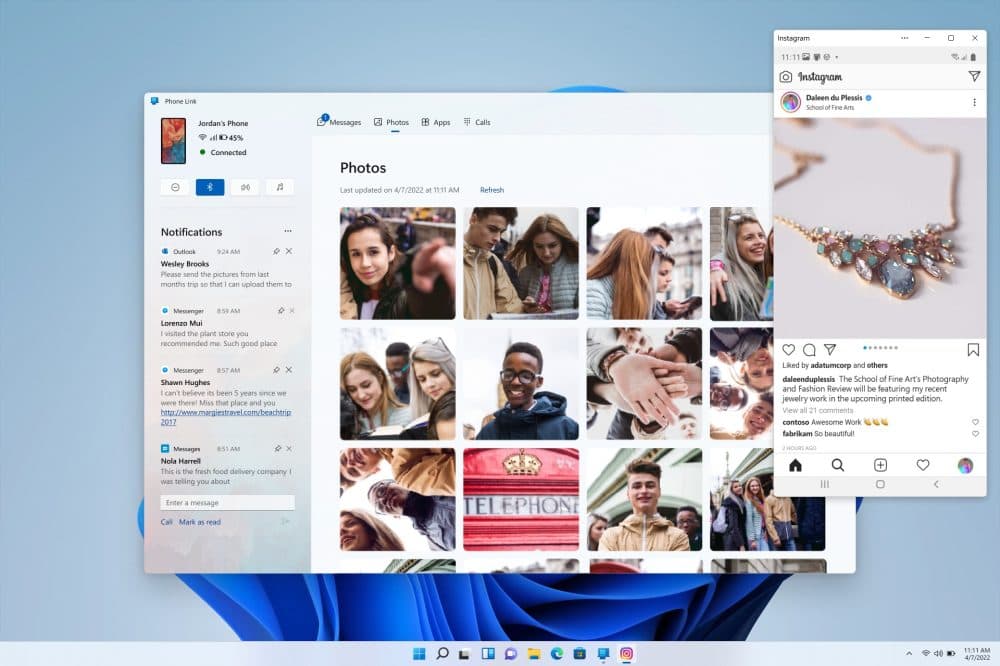
Alternatively, if you have a Chromebook, you can set up “Phone Hub.” This offers most of the same features as Link to Windows, but further building on it with support for setting up a hotspot and also using your phone as a “key” to unlock your ChromeOS device. You don’t have to download anything to set up Phone Hub either, just follow the instructions below.
-
Waze
:
While Google Maps will do the trick for many, Waze offers crowdsourced live traffic data and reports for speed traps and more. -
Google News
:
Especially in these times, keeping up with the latest news is important, and using personalized data, Google News will bring you top stories in a slick app that’s really easy to use. -
Feedly
:
Want to keep track of the news using personalized RSS feeds? Feedly is one of the best apps for the job, and it’s free! -
Google Home
/
Amazon Alexa
: Got some smart home speakers or displays? You’ll want to have the Google Home or Amazon Alexa apps installed depending on what devices you own. -
Get a 3rd-party launcher:
Installing a new launcher is a great way to fully customize the homescreen on your new Android phone.
Nova Launcher
and
Action Launcher
are great options for this.
Last update: 12/25/2023
VIA:
9to5google.com