
Best smartwatches for running in 2023
Related Posts
The smartwatch has to be one of the greatest inventions ever made for runners. The best smartwatches provide a lightweight way of tracking your pace and performance without making you stick your phone in an uncomfortable armband. Just press a few buttons on your watch, wait for GPS to lock on, and then race to the finish line.
Although almost every smartwatch available today has built-in fitness features, they are not all equally popular with runners. Some have iffy GPS reliability, while others don’t track enough metrics to be useful. There’s also a vague line between what constitutes a smartwatch and a more basic running watch. In this list, we’ve tried to highlight wearables that have a foot in both camps, but invariably some are more one than the other, so we’ve also highlighted that where possible.
Go running with one of these smartwatches
Source: Garmin
Garmin Venu 2 Plus
Best overall
A great place to start
The Venu 2 Plus is the Garmin smartwatch you want if you’re looking for the best of both worlds: a true smartwatch with the tracking features runners need when getting out there.
Pros
- Nice, vibrant display
- Garmin’s extensive tracking features
- Solid battery life
Cons
- Not many third-party apps
- Needs the proprietary charger
While Garmin would point dedicated runners to its Forerunner range, those who want to prioritize the smartwatch elements would be better off picking up the Garmin Venu 2 Plus. True, it still isn’t up there with devices running Wear OS in terms of third-party app support and built-in features, but the Venu 2 Plus is somewhat of a Garmin rarity in that it lets you take calls directly on the wrist thanks to the built-in speaker and microphone. It can also hold up to 650 songs, including downloaded playlists from Spotify and
Amazon
Music.
On top of that, it’s packed with features that runners love, from the basics of accurate GPS and heart-rate tracking to Garmin Coach’s custom training plans and Body Battery, which tells you how ready you are for a workout. It supports ANT+ for additional accessories, and all of the data is neatly collected in the Garmin Connect app — which remains one of the best for runners who like to nerd out over the data.
Source: Garmin
Garmin Forerunner 955
Premium pick
When it’s time to get serious
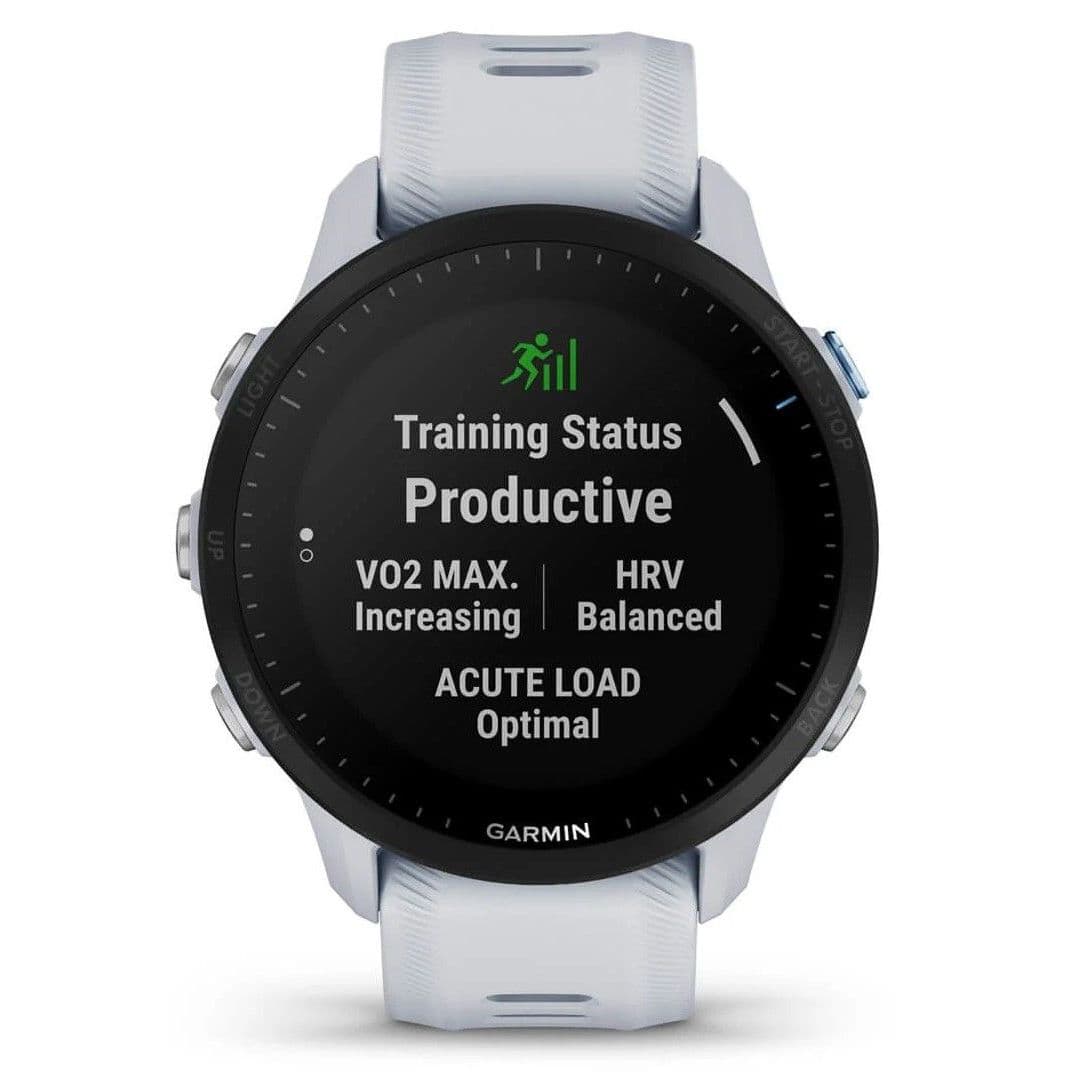
The Forerunner 955 is Garmin’s top-of-the-range sports watch. What it lacks in smartwatch flexibility, it makes up for with fitness features that athletes will love.
Pros
- Training and workout plans
- Maps and excellent tracking
- Outstanding battery life
Cons
- No onboard microphone
- Solar version not all that necessary
For a little more money, you can take it further with the Garmin Forerunner 955, which cuts off on-wrist calls and virtual assistants, but comes with more features that runners will love. There’s Training Load and Training Readiness — two features helping runners improve by analyzing their pre- and post-run metrics to ensure they’re pushing themselves without going too far. There’s even a Race Day Widget that counts down to the big day, showing your goal time and your current predicted finish time!
Once again, the Garmin IQ store is limited in terms of third-party apps, and while it’ll do notifications, it’s more of a running watch than a smartwatch. But with a battery that promises up to 15 days (or 20 with the solar model), it’s built for those who want to go.
Source: Samsung
Samsung Galaxy Watch 5
Best value
Feature
-filled, but best for casual runners
$230
$280
Save
$50
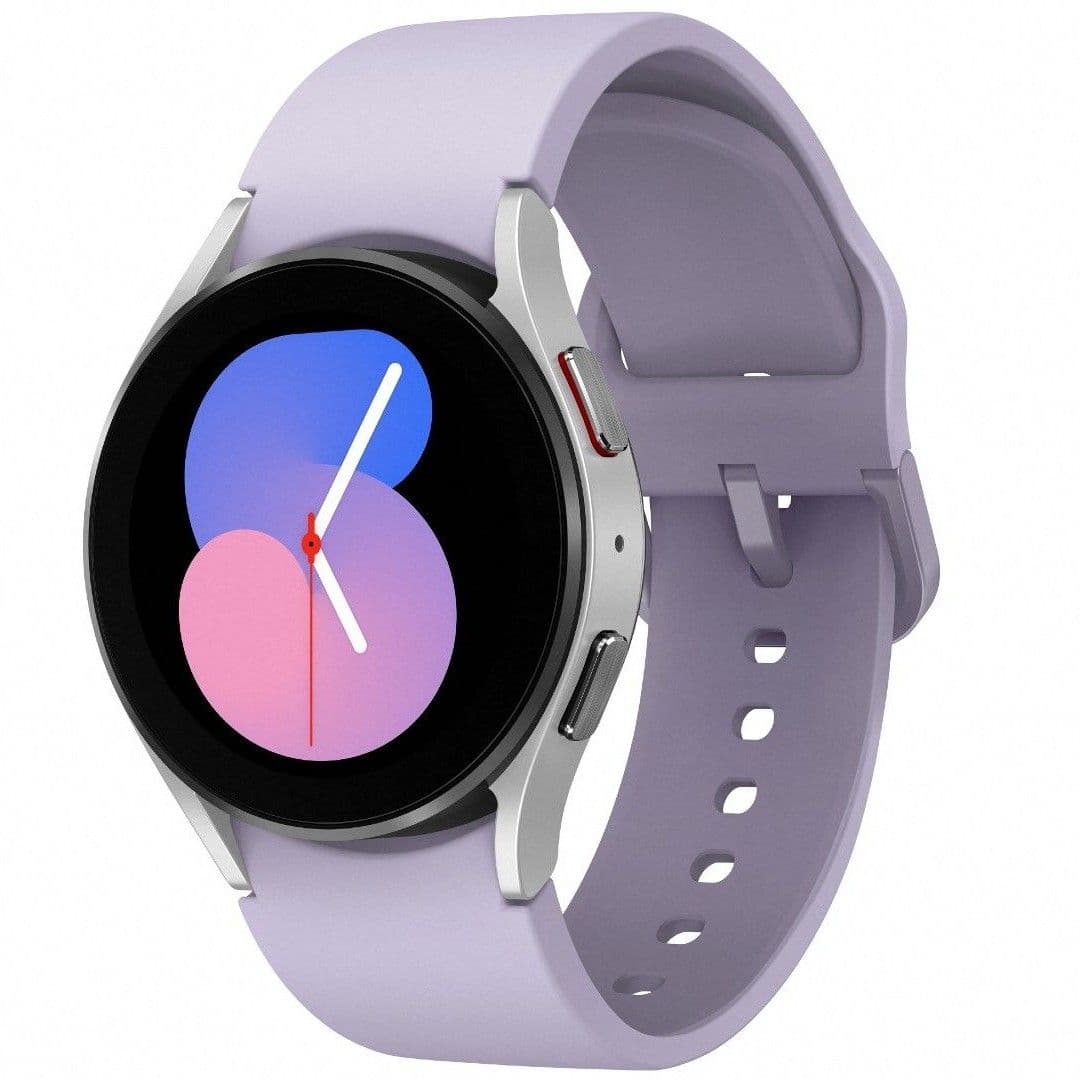
The Samsung Galaxy Watch 5 is every bit a smartwatch, and its durability with sapphire glass only makes it easier to trust when taking it out for a run.
Pros
- Curved health sensor for a better fit
- Tougher sapphire glass
- Good software performance
Cons
- ECG and blood pressure require Samsung phones
- So-so battery life
Like the Galaxy Watch 4, the latest Samsung wearable runs Wear OS, meaning it’s a fully rounded smartwatch with plenty of extra apps and built-in features. It also comes with a larger battery, making it less likely to let runners down while out on the trail.
While it has fitness features, the Samsung Galaxy Watch 5 is more for casual runners than those training for their next ultramarathon. Accuracy is merely so-so, and the Samsung Health app doesn’t pack the kind of detail that fitness obsessives will want from their wearables. Still, for casual fans, it’s a great jack-of-all-trades smartwatch that’ll look good on any wrist.
Source: Samsung
Samsung Galaxy Watch 5 Pro
The rugged type
Bigger, tougher, and ready to run
$400
$450
Save
$50
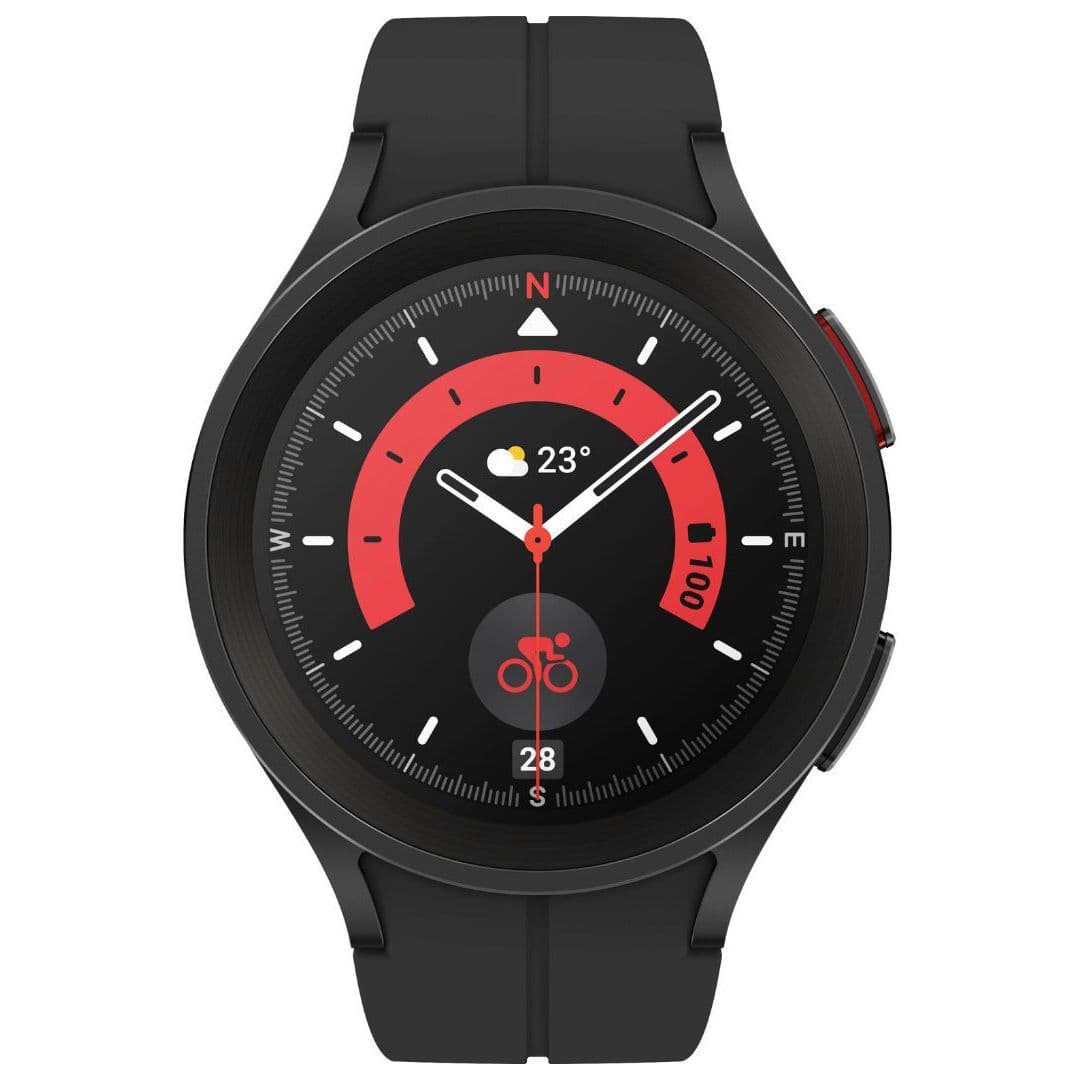
The Galaxy Watch 5 Pro is Samsung’s first Pro smartwatch, an amazing showcase of what it can do with Wear OS 3, and generally just a built-tough all-day warrior for workout fiends and multitaskers eschewing their phones.
Pros
- Sapphire glass and titanium body
- Plenty of tracking features
- Better battery life
Cons
- Too big for most small wrists
- GPX maps only support hiking and cycling
While it boasts many similarities to the Galaxy Watch 5, the 5 Pro takes a few different turns, like the tougher titanium frame, sapphire glass screen, and a bigger 590mAh battery. Samsung makes no bones in positioning it as a more serious wearable for those looking to train or meet fitness goals.
One of the reasons why is the Route workout feature. It lets you import GPX route files to Samsung Health and then sync with the Watch 5 Pro. When not on the run, you can also make use of the BioActive Health sensor, which improves how much more accurate heart rate, ECG, VO2 Max, and other metrics can be, though it’s not entirely clear if the 5 Pro is more precise than its sibling.
Source: Polar
Polar Pacer Pro
Testing the limits
Literally puts you to the test
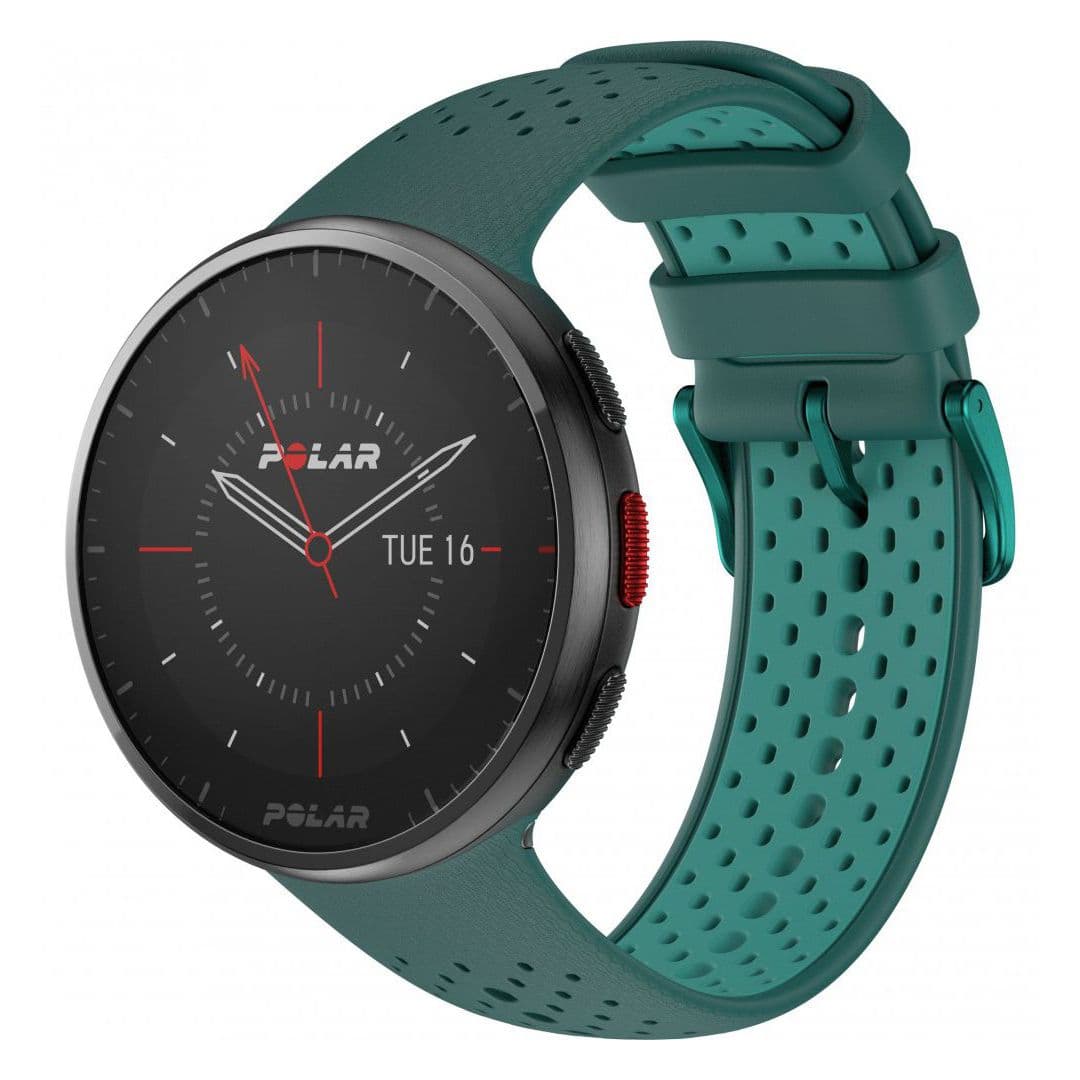
Polar designed the Pacer Pro to be a smartwatch that takes activity so seriously that there’s even a built-in running test you can take to gauge how well you’re doing with every step.
Pros
- Includes effective running test
- Personalized workouts
- Plenty of good tracking metrics
Cons
- Screen isn’t touch-sensitive
- No SpO2 sensor
The Polar Pacer Pro presents a Running Performance Test you run for 30–45 minutes to calculate aerobic power, aerobic speed, VO2 max, and max heart rate. It also calculates running power to gauge how hard you’re working, including data on sprints, short intervals, and hilly areas where you can keep track of ascent and descent. Once done, the Polar Flow app tells you whether you’re on track with someone in your age group.
Despite that, it’s rare that a smartwatch with such an exposed display isn’t touch-sensitive, leaving you to navigate the interface purely with the physical buttons arrayed on the sides. But that may hardly matter if you’re looking for a smartwatch focusing more on staying active and learning more about what your body can handle as you pick up the pace.
Source: Mobvoi
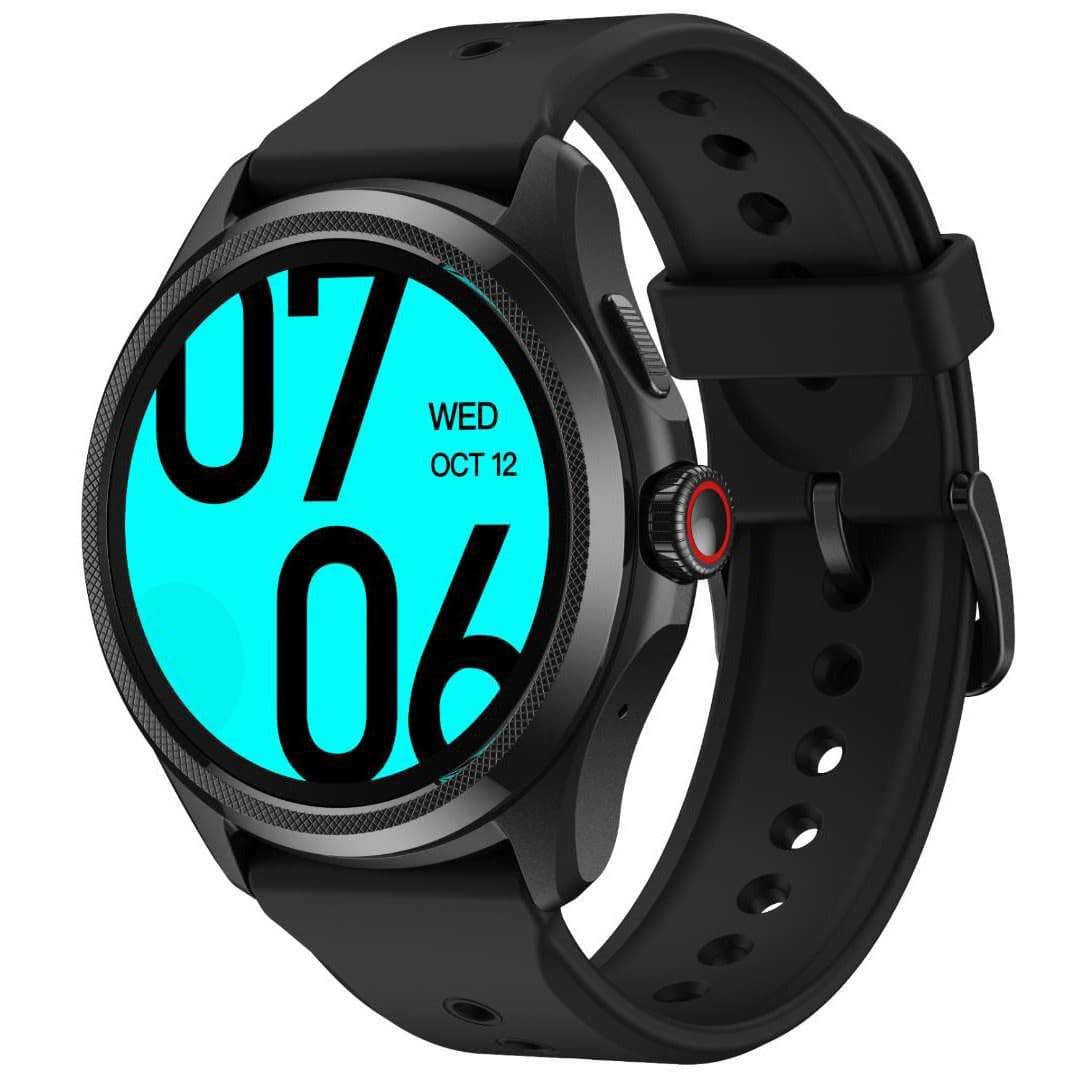
Mobvoi TicWatch Pro 5
A 2-for-1 deal
Two screens for one in this watch
Mobvoi makes TicWatch Pro 5, bringing in several features to go with newer software that culminates in a smartwatch worth considering. No other watch has a dual-layer display quite like this, which does wonders for battery life.
Pros
- Unique dual-layer display
- Improved app experience
- Longer battery life
Cons
- Unclear Wear OS update cycle
- Mobile app needs some work
TicWatch Pro 5 is no less an example of Mobvoi’s attempts to make a compelling case as an alternative if you’re out there running. With a somewhat overhauled app experience, the watch’s data is easier to see and interpret, even if the full presentation won’t come close to what the likes of Garmin might give you. Still, it’s nice to have automatic run tracking kick in after 10 minutes.
The unique dual-layer display
technology
is a battery saver unto itself, bringing together a vibrant OLED with a low-powered LCD, which allows you to see pertinent info on a run without actually turning on the main OLED screen. Battery life holds up fairly well at up to 80 hours per charge, depending on how you use it.
Souce:
Google
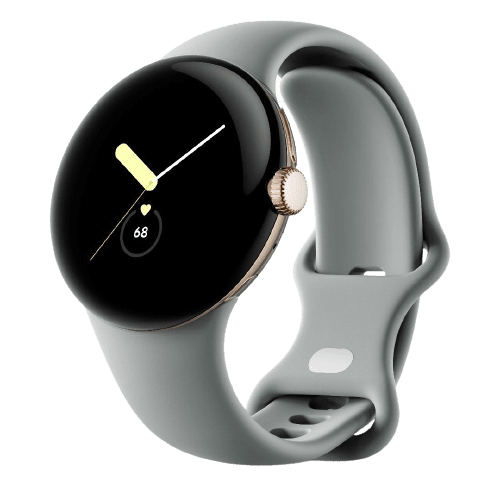
Google Pixel
Watch
Google’s best
A mix of Google and Fitbit
Maybe it’s not a true “running” smartwatch, but the Pixel Watch offers everything Wear OS can provide, including third-party apps and Fitbit tracking, making this an interesting choice.
Pros
- Very nice design
- Fitbit tracking features
- Third-party app support
Cons
- Run tracking won’t be as deep
- Skin temperature yet to become active
Google pitched the Pixel Watch as having “help by Google” and “health by Fitbit,” which sounds like a dream combo for those looking for the best running smartwatch. It’s not perfect yet, but it’s not bad for a first attempt, assuming you always keep it charged. And since the GPS tends to run down the one-day battery quickly, ultrarunners need not apply.
The flip side is that it’s Google’s first wearable and a reference device for what Wear OS can do. As a smartwatch, it’s great, though the high entry price means that you may gravitate toward a dedicated running watch instead.

Source: Fitbit
Fitbit Versa 4
Run with Fitbit
The Versa 4 is about getting fit
The Fitbit Versa 4 is largely stripped of its main features, given there’s no temperature, EDA, or ECG sensor. It focuses more on fitness tracking than anything else, but at least you get built-in GPS to keep track of running, while Fitbit Premium offers tons of workouts.
Pros
- Comfortable to wear
- User-friendly interface
- Premium provides for insights and features
Cons
- Third-party apps are gone
- Heart rate accuracy sometimes stumbles
It’s still baffling that Fitbit cut off all the third-party apps in the Versa 4, leaving you with Google Maps and Google Wallet as separate options. For a running watch, it’s not bad at all, with built-in GPS and improved heart-rate monitoring.
Yes, some features — such as Daily Readiness, which tells you how prepared your body is for a run — are Fitbit Premium features, but you get six months’ worth free with the watch. And the Fitbit app remains one of the best in the business, especially if you’re just starting your fitness journey and need some pointers.
Source: Suunto
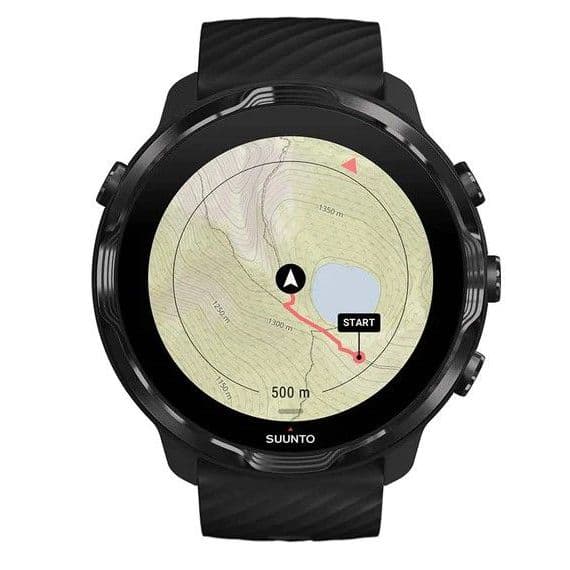
Suunto 7, GPS Sport Smartwatch
Sticking around
The Suunto 7 keeps you focused
Most running watches from the likes of Garmin and Polar focus on fitness at the expense of smartwatch features, which makes the Suunto 7 highly unusual. It’s a bit longer in the tooth compared to other smartwatches, but can still hold its own just fine.
Pros
- Sturdy build quality
- Accurate GPS tracking
- Comfortable fit
Cons
- Don’t expect Wear OS 3
- Pricey
Suunto makes plenty of running watches, but the Suunto 7 is unique because it uses Wear OS rather than the company’s own operating system. In theory, that means you get the best of both worlds: a dedicated running watch with all the features an athlete could want and plenty of smartwatch functionality too.
Unfortunately, it doesn’t quite pan out like that due to a weak 1-2 day battery life and a chipset that’s a bit long in the tooth now. First released in 2020, it uses the Snapdragon Wear 3100 chipset, meaning it’ll never get Wear OS 3, and it’s starting to feel sluggish.
Smartwatch or running watch? Where to compromise
After reading this list, you may conclude that the perfect running smartwatch doesn’t yet exist. Here, the top running pick is the undoubtedly expensive Forerunner 955, but if you’re very serious, you could take your running life to another level. For the value proposition alone, you could always consider the Samsung Galaxy Watch 5 for its flexibility with Wear OS, nice depth in features, and app integrations. That’s exactly why it’s our value pick in this group.
Finally, if you’re a casual runner and are more interested in the smartwatch experience than pinpoint accuracy and running metrics, then something by Samsung or Google is worth a look. It’s about knowing where you want to compromise. If hitting the trail is your life, you’ll want to sacrifice third-party apps for the best possible run tracking. That means picking something from the big beasts in the industry: Garmin, Polar, or Suunto.
Source: Garmin
Garmin Forerunner 955
Best overall
Let’s go for a run
The Forerunner 955 is Garmin’s top-of-the-range sports watch. What it lacks in smartwatch flexibility, it makes up for with fitness features that athletes will love.