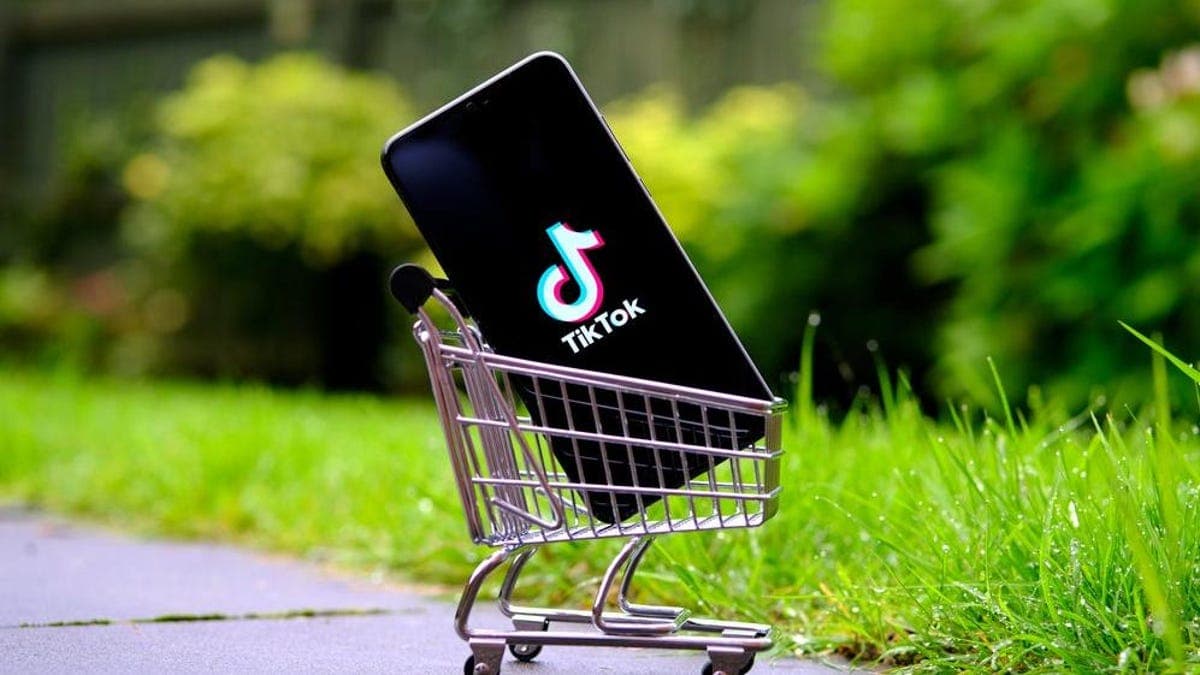
TikTok to Launch Shopping in Competition With Shein, Temu
TikTok is set to launch an e-commerce platform to sell Chinese-made goods to its millions of American users, according to a new report in the
Wall Street Journal
. The new shopping experience is a new attempt by TikTok to compete with
Shein and Temu, two Chinese companies dominating the online retail scene with fast fashion and cheap products.
You won’t have to wait long either. As soon as early August, TikTok plans to give you the exciting opportunity to buy things on the same app that keeps you staring at your phone long after you promised to go to sleep, according to unnamed sources who spoke to the WSJ. A TikTok spokesperson declined to comment.
TikTok reportedly plans to store, sell, and ship these products itself, rather than just providing a platform for third-party sellers to hawk their wares. The WSJ reports that TikTok will operate on behalf of factories and other partners in China to sell products including clothes, electronics and kitchen gadgets.
The
social media
business is in a tailspin as
growing
privacy
restrictions
and a stuttering economy make mining data for ads a less profitable business. As companies work to diversify their revenue streams, social media companies keep coming back to the idea that they might turn themselves into stores.
In the United States, experiments such as
Facebook
Marketplace
and the
Instagram Shopping Tab
mostly failed, but people seem to love buying stuff on social media in Asia and some other parts of the world. In China, social media
apps
have grown
an estimated $423 billion business
with retail live streams similar to
the Home Shopping Network.
Amazon
is working to copy that model, and YouTube just launched its
own video shopping channel
in South Korea. TikTok’s reported new junk shop is the latest attempt to bring the retail trend to America.
The short-form video king sees big dollar signs on the horizon for its retail efforts.
TikTok is already testing an online retail business in the UK
and Saudi Arabia, and implemented a
dystopian “social credit score” for influencers
who participate in those programs, where creators are given ratings for metrics such as “cooperation” and “diligence.” The company reportedly planned to bring its retail business to the US far sooner, but hit delays after American politicians had
a collective freak out
over the company’s privacy and security practices.
TikTok may be stepping into a whole new arena of controversy with its new e-commerce baby. Shein and Temu are making a
lot
of money selling low-budget
Chinese products to American consumers, but they
face growing scrutiny over reports of
slave labor
, clothes
contaminated with lead
and other dangerous chemicals,
complicity in the Uyghur genocide
, and environmental concerns over cheap products
destined for the landfill
. These issues are bad enough that
Shein financed an influencer propaganda campaign
, where it flew creators out for a supervised tour in exchange for breathlessly positive testimonials. Shein and Temu did not respond to requests for comment.
To a certain extent, these problems are built into the business model TikTok is about to embrace, where profits stem from jumping on trends and churning out inexpensive products as quickly as possible. That incentivizes cutting corners and overlooking concerns, and it will take a lot of proactive work if TikTok wants to avoid those problems. These issues aren’t unique to TikTok or Chinese retailers and manufacturers, but it does create new fodder for the growing list of American companies and political leaders terrified of TikTok’s creeping presence.